Dubious dates of Anno Mundi

We found  some puzzling inscriptions on last week’s visit to South Ceredigion.

At Alltyrodin we went to view the handsome stable block adjoining the Georgian house.  The central doorway is set in large ashlar blocks from the nearby estate quarry, Gwarallt at Bwlchyfadfa.
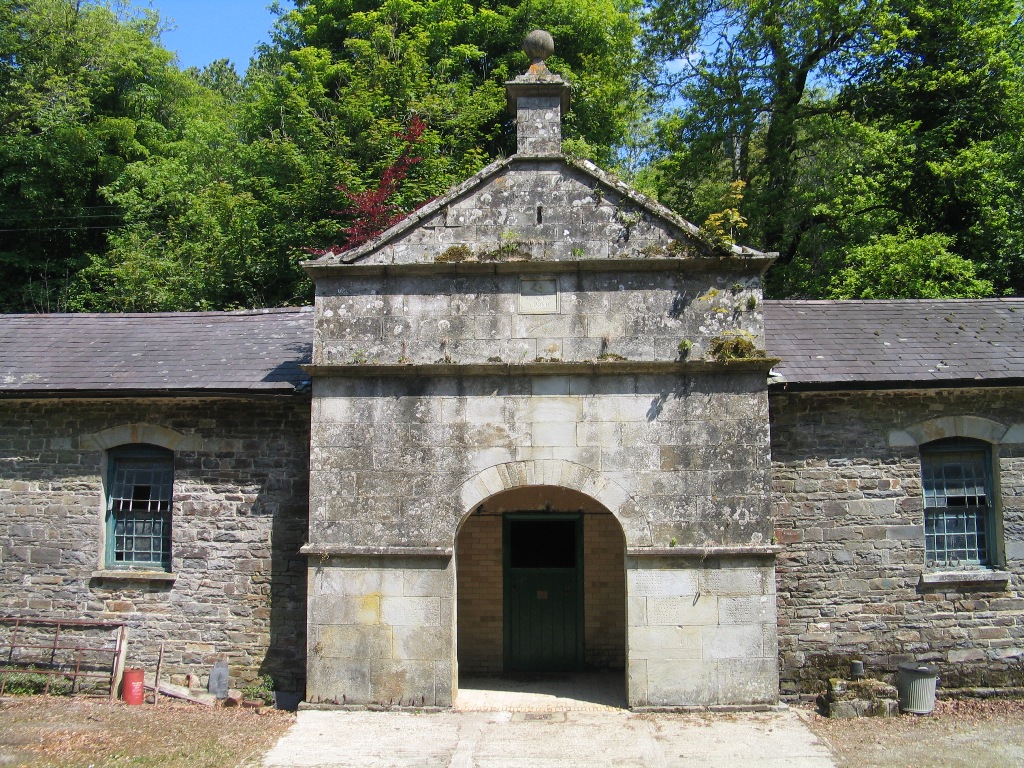
The handsome ashlar central doorway in the stables at Alltyrodin

The handsome ashlar central doorway in the stables at Alltyrodin

And above the door is a carved plaque with lion rampant which reads:

J LL Esq.,
AD 1840
AM 5841
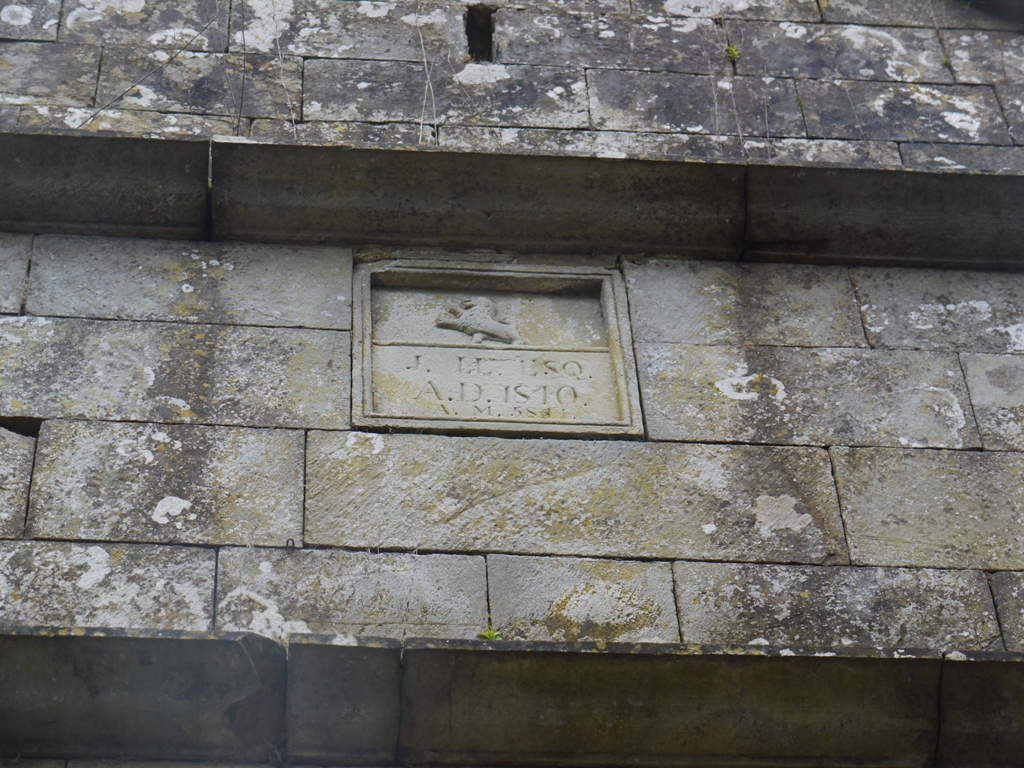
Inscribed owner's initials and date on the stables at Alltyrodin

Inscribed owner’s initials and date on the stables at Alltyrodin

J LL  represents John Lloyd, who inherited Alltyrodin on the death of his older  brother David in 1822.  He was unmarried and childless ( though there is a deed for a prenuptial settlement  in 1826, when he was about to marry Dorothy Alicia Seymer of Bath, spinster)  He was still alive and signing deeds in 1836. On his death his estate duly passed to his niece and her husband John Lloyd Davies is identified as master of Alltyrodin by 1843.

AM 5841 represents the date as Anno Mundi; years since the alleged creation of the earth.  It is a slightly problematical date.  Bishop Ussher  (1581 – 1656) decided upon 21 September 4004BC for the creation of the earth, while the Masonic convention is to use 4000 years. Jewish sources use 3761 years BC instead.   Assuming the stables were completed in or after September 1840, the carving is consistent with the Masonic convention: 4000 plus 1840 plus 1 if after September, would generate the observed date Anno Mundi  5841.  Fairly easy to interpret, then, except that the modern  Masonic Dictionary would designate a date of AD plus 4000 years as Anno Lucis, and  AD plus 3761 as Anno Mundi.  Perhaps they thought differently in the 19th century.

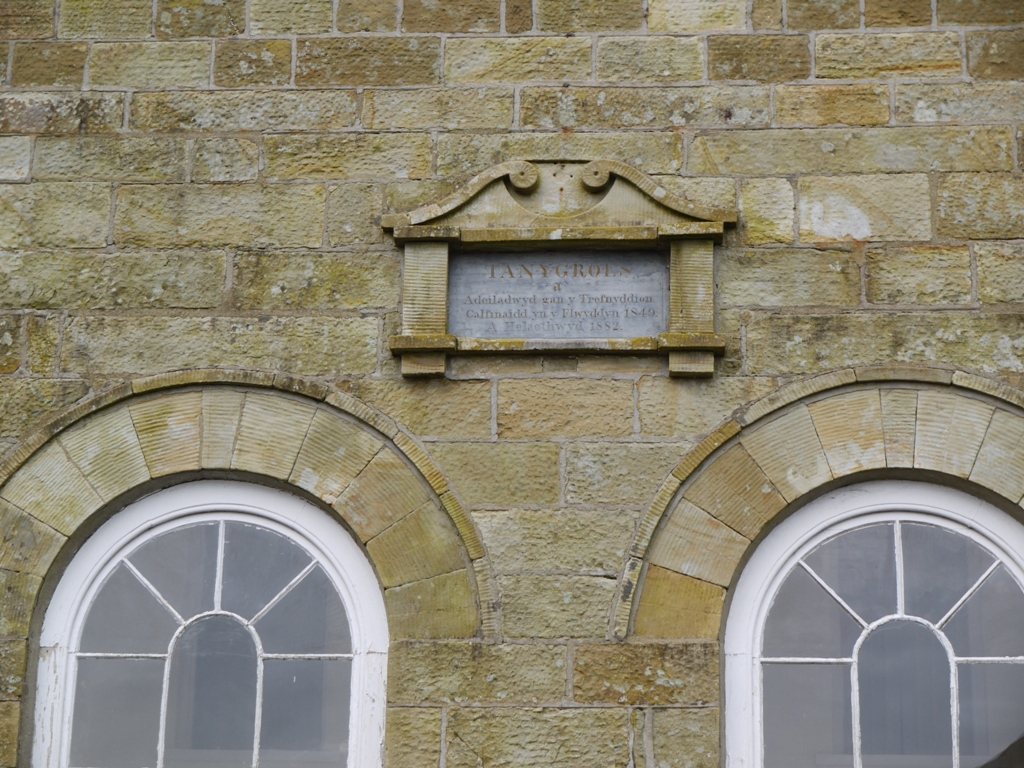
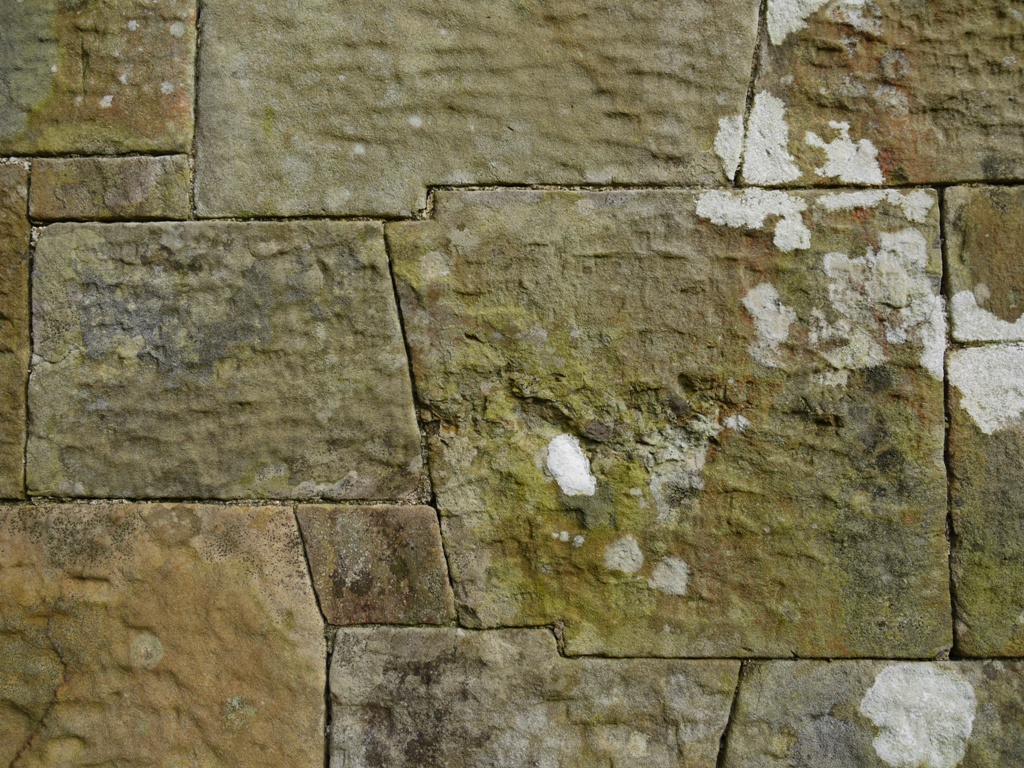
Not far away at Bwlchbychan a handsome gateway with three posts and connecting walls frames the drive down to the house.  Here the mason is identified in the inscription as D James mason.  The sandstone blocks are neatly stippled with chisel marks like those remarked on at the chapel inTanygroes in the foregoing blog.
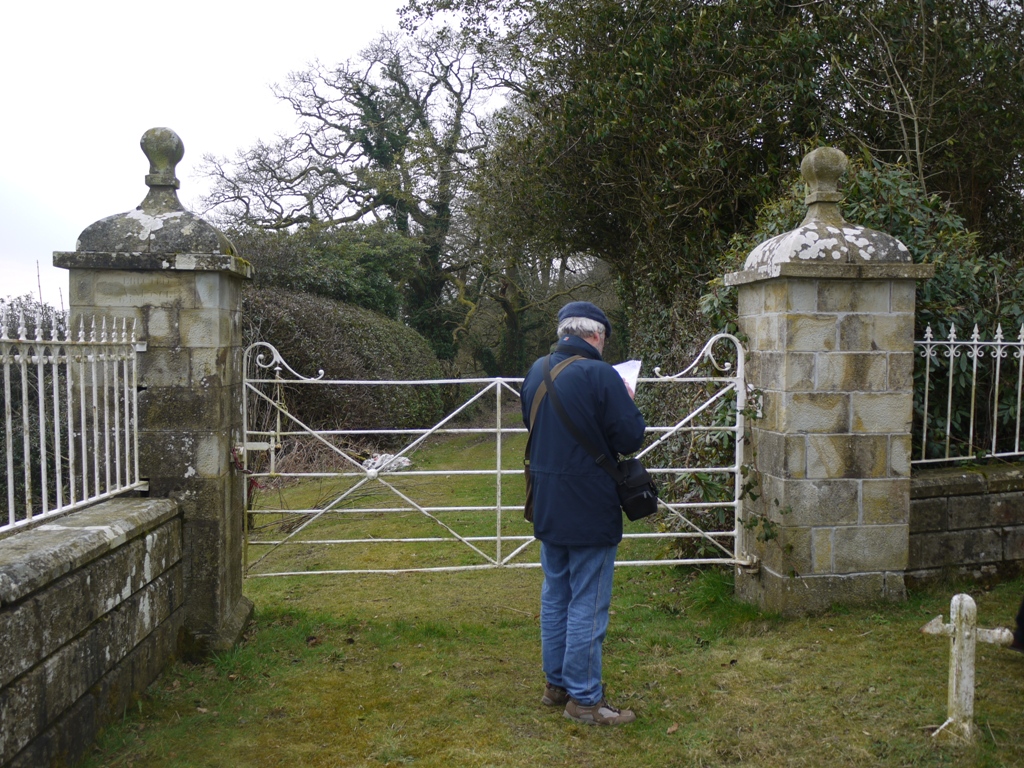
The gates on the drive leading down to Bwlchbychan

The gates on the drive leading down to Bwlchbychan

On one post the inscribed plaque reads Erected 5861 and the other bears the same information  Cyfodwyd (was raised) in Welsh and the year 5861.  Assuming the same convention, these gateposts went up in  autumn 1860, and this looks consistent with their architectural style.  At Bwlchbychan the dating is uncorroborated Anno mundi, whereas at Alltyrodin the more familiar Anno domini date appears larger, and above.
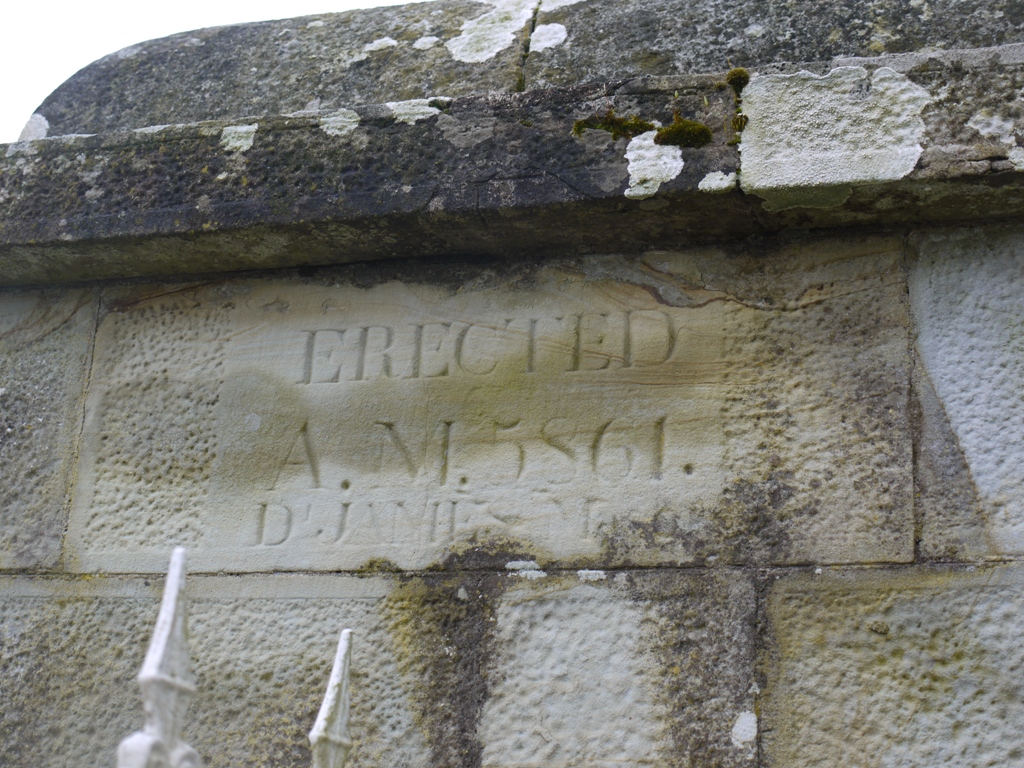
Right hand gatepost has the English inscription
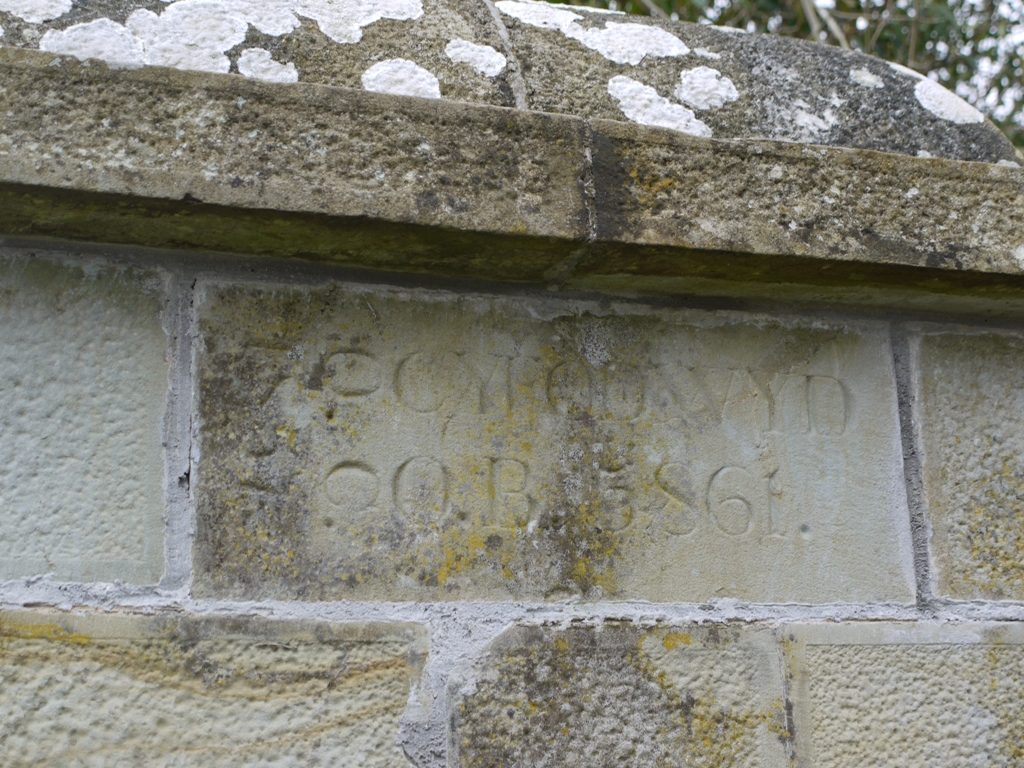
Right hand gatepost has the English inscription

The left hand gatepost has the Welsh inscription

The left hand gatepost has the Welsh inscription

The house was home in the 19th century to John Pugh Vaughan Pryse, third son of Pryse Pryse of Gogerddan.  Shortly after his second marriage (to Decima Dorothea Rice of Lwynybrain),  it was rebuilt in 1850 “ in the plain domestic style of architecture”, and presumably the gateposts and lodge were built shortly after.  Herbert Vaughan in his book, The South Wales Squires, described it as a rather dismal house and its occupant John Pugh Vaughan Pryse as a man who chased the fox as often as he could: ” in the dining room alone were 30 foxes masks, varied by a few heads of hares and otter’s poles. On the hearth rug lay a footstool comprised of a complete stuffed fox.” Pryse died in 1903, at the age of 85.

It is not clear to me whether these Anno Mundi dates indicate membership of the Freemasons on the part of the squires of Alltyrodin and Bwlchbychan, or whether instead they represent the beliefs of the actual masons who worked the stone on their behalf.
Out and about with The Welsh Stone Forum


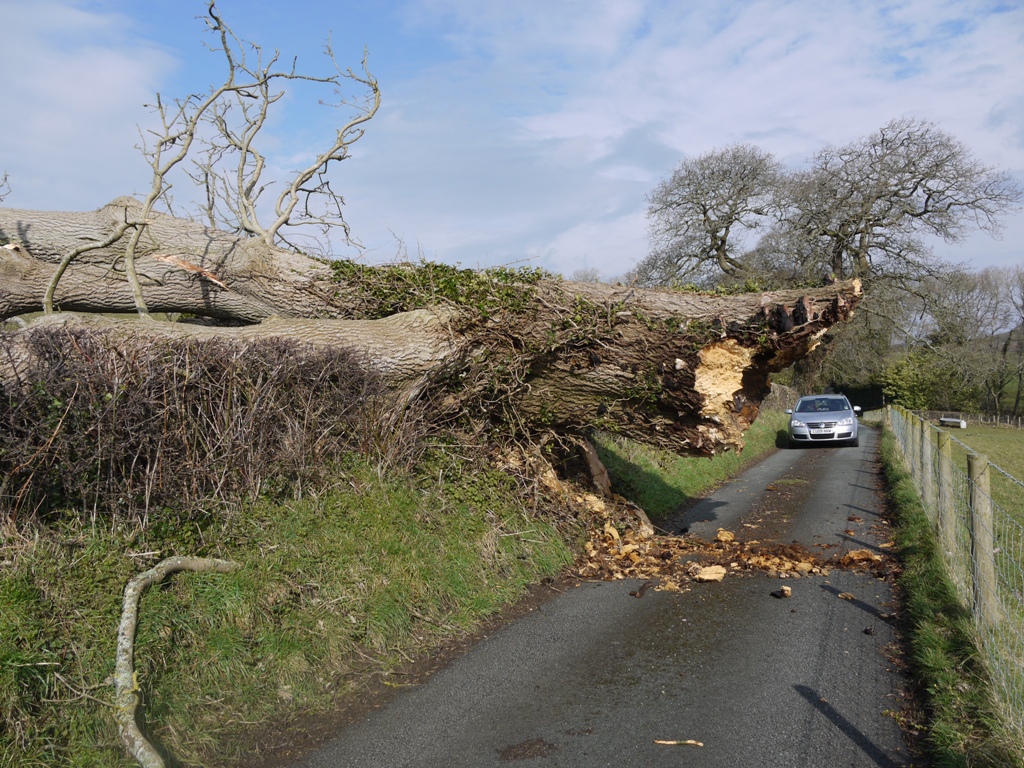
Last Saturday was not a day many people willingly ventured out.  It was the third of three days on which a blisteringly cold wind from the Russian steppes seared its way across Ceredigion, and although unlike north and east  Wales we had no snow, the chill factor made the eyes water and the marrow shrink.   Setting out from our home we soon encountered our first obstacle a massive ash tree, fallen and pivoted on the hedge bank to block the road.  When leafless trees fall it is a high wind indeed.

Ash tree felled by high wind on 22 March

Notwithstanding this, a small group of specialists converged from all over Wales to explore the building stones of south Ceredigion. Our topic for the day was a locally occurring Ordovician sandstone, one form of which, Pwntan stone, has already been mentioned in this blog, as the stone from which Tremain Church is built.

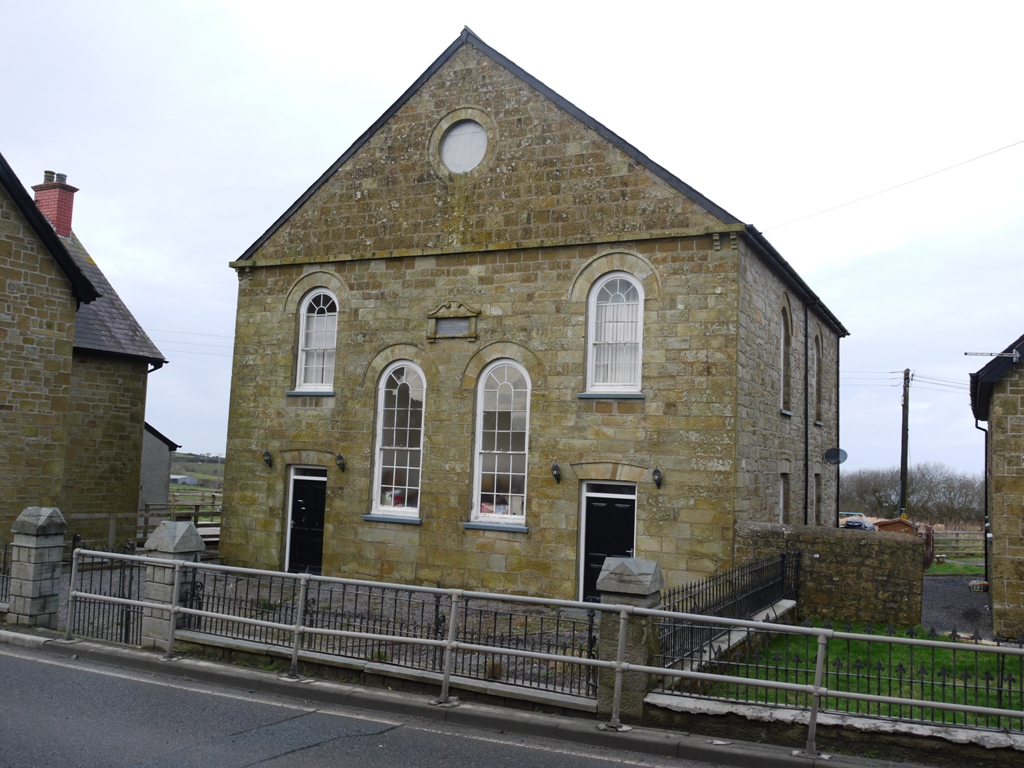
First we met at Tan y Groes.  Here the main road is constricted by sandstone buildings on either side of the road, and speeding traffic roars through the gap.  There is a Calvinistic Methodist chapel on the south side of the road with adjoining vestry building.  Recently modified for residential use, the gable end facade has been recently cleaned by sandblasting.  So many different styles of ornamental tooling can be seen.  The main construction blocks have been pecked and pock marked with many short chisel blows.  The edges of narrow ornamental dressings are transversely grooved, across the shorter axis of each stone.  The voussoirs of the window arches are similarly ornamented and where large stone are used, a false division has been carved, to create the appearance of two or even three smaller voussoirs instead of a single block.  The building was commenced in 1849 a year after the completion of nearby Tremain.  It is not known whether it is by the same mason, but it is certainly work by a meticulous craftsman.  The characteristic interlocking stones of Tremain are not here however.  Perhaps Calvinism is better represented by uncompromisingly coursed blocks.  Other buildings in the village are yet plainer, built of rubbly blocks of sandstone.  The chapel buildings could only have been created with hand-sawn stone.

Tooled masonry in Pwntan stone shows several decorative styles

The Calvinistic methodist chapel at Tanygroes, Ceredigion, built 1849

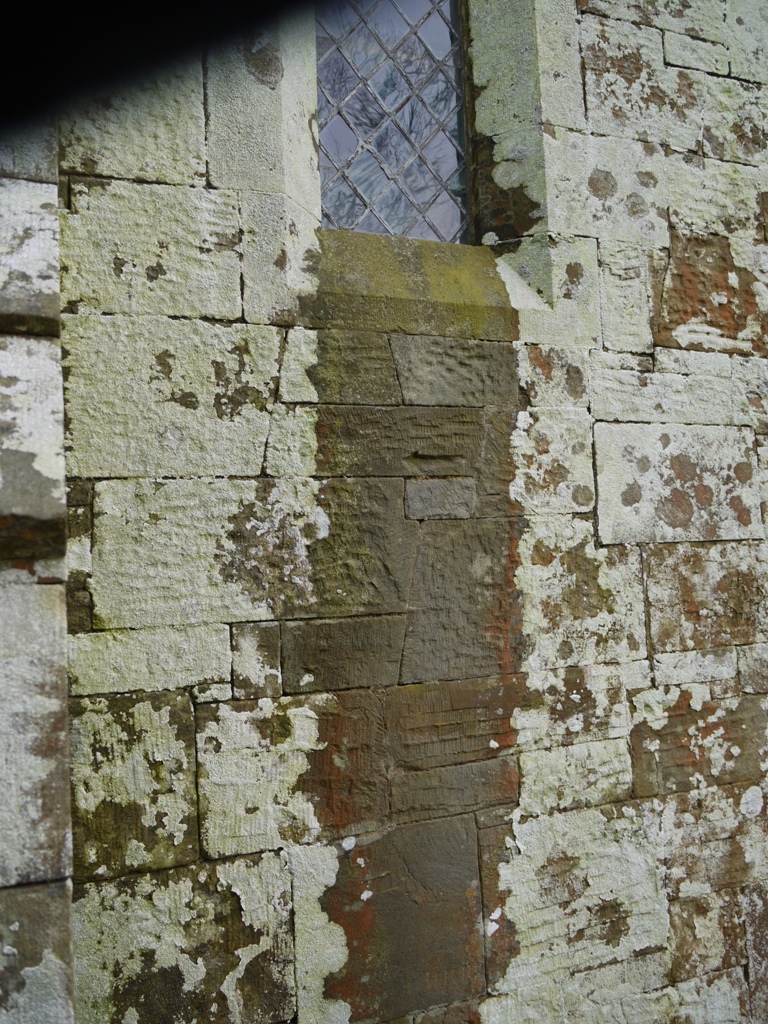
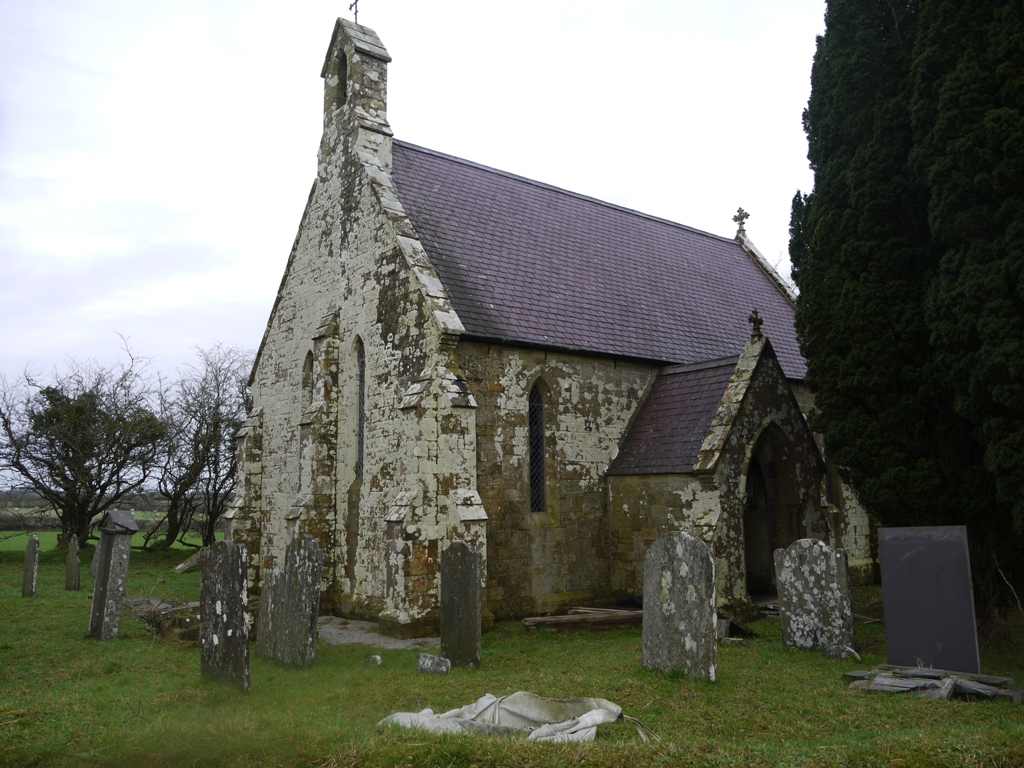
St Michael’s Tremain has already been described.  It is the perfect habitat for the creamy white crustose lichen Ochrolechia parella.  On the west end the lichen is so extensive that the building is almost white.  The toxicity of lead to lichens is nicely illustrated by the two strips of stonework below the lancet windows.  When rain drives against the leaded windows and runs down to trickle off the sill it poisons the lichens and the stonework remains clean.

Ochrolechia parella, a crustose lichen cannot grow where lead leaches off the windows of the church

St Michael’s Church, Tremain, the west end almost white with lichen covering the brown sandstone

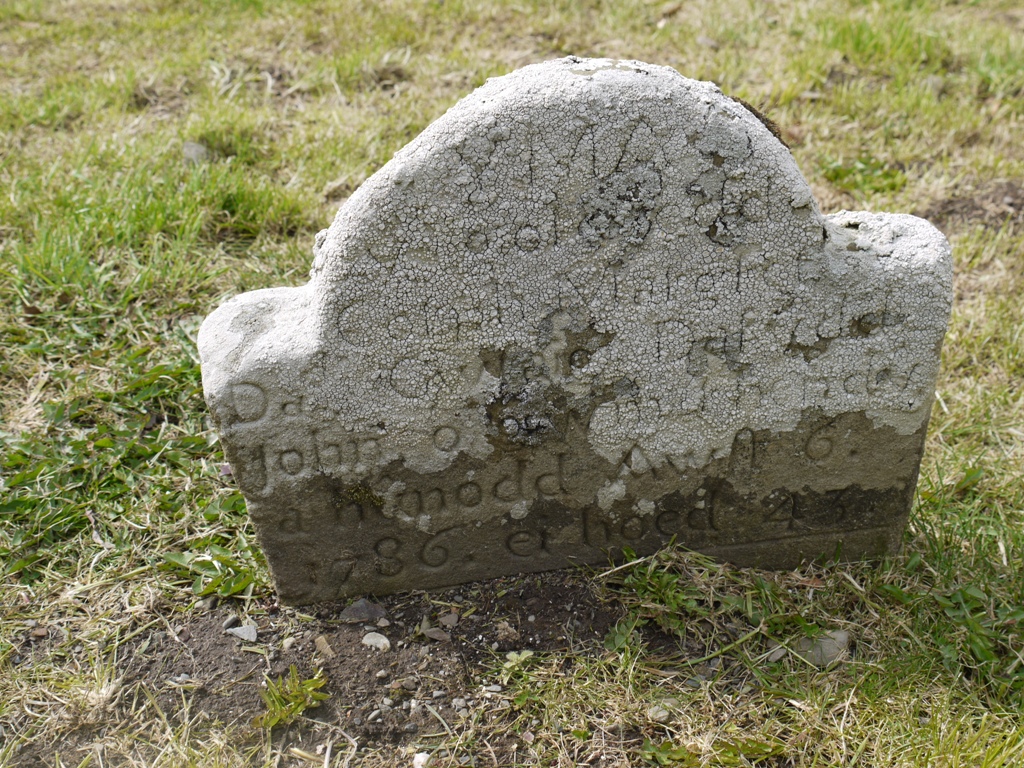
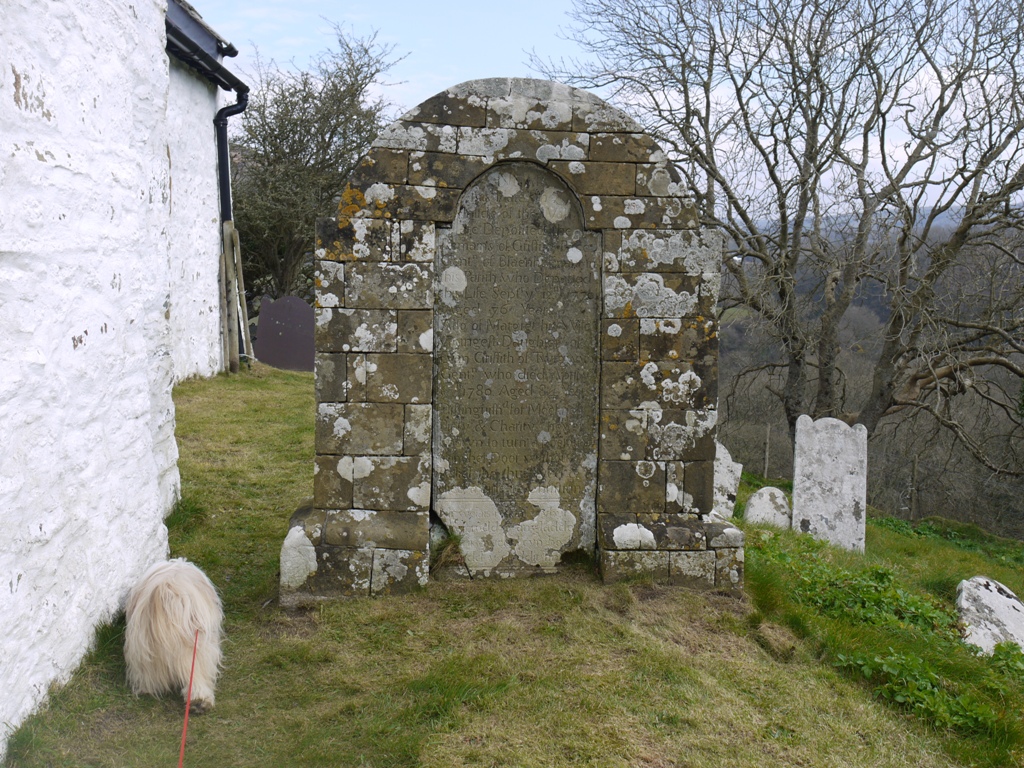
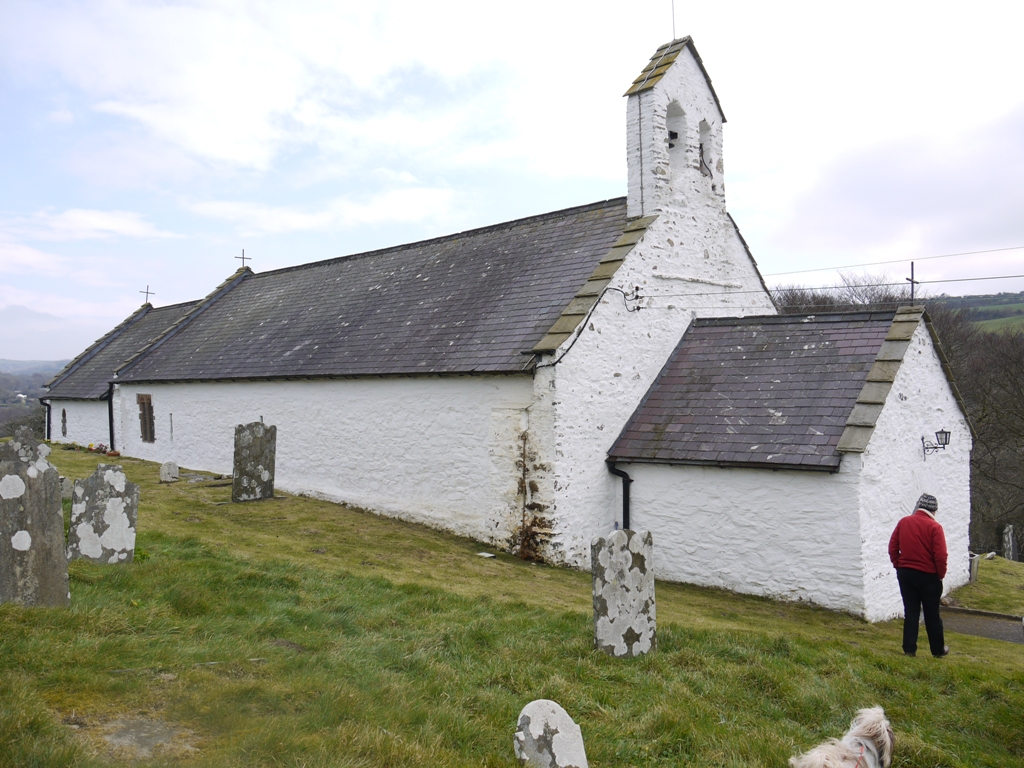
No such problems exist for the lichens in the churchyard at St Michael’s Penbryn.  Here is a charming long low whitewashed church set in a circular graveyard on a hill above the sea.  Here many of the 18th century stones are completely white with lichen, but remarkably the  inscriptions can still be discerned because the lichen follows the carved indentations beneath.  The stones have a characteristic shape curved at the top with square shoulders beneath.  There are several grander  graves  in which the same round topped, shouldered shape is formed in cut blocks of pwntan stone framing an inscribed slab of slate or sandstone.  They date from 1780-1820 and stand like theatrical doorways on the sloping plot.  At first sight you might think them whitewashed, so extensive is the lichen cover.

One of about 30 small gravestone at St Michael’s Church Penbryn. carved Pwntan stone is a perfect substrate for the lichen Ochrolechia parella

One of several grand headstones framed in Pwntan stone, at St Michael’s Church Penbryn

St Michael’s Church, Penbryn is a medieval church, with later restoration. Characteristic round topped, shouldered gravestones date from the late 18th century

There are various places east of the main A487 where sandstone was formerly extracted but most are long neglected and overgrown. The group then went on to visit Gwarallt quarry, Bwlchyfadfa near Talgarreg where farmer Iwan Evans  has had the initiative to re-open the quarry which supplied high quality sandstone in the 19th century.  In a trade magazine of the 1880s it was vaunted as stronger, and cheaper, than Portland stone.   The stables at nearby Alltyrodin mansion were certainly built from Gwarallt stone, but whether it was exported over a larger area is lost to history.

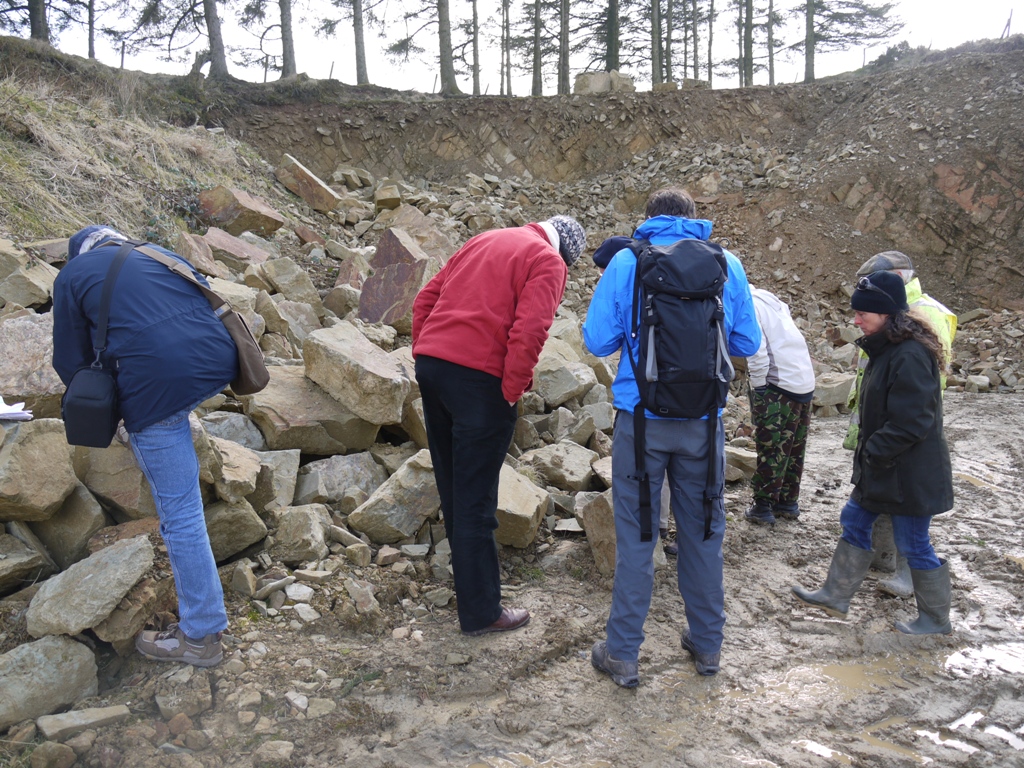
In the quarry one can see the thick beds of sandstone dipping down at 45° to the field above.  Big blocky stones are quarried from the face and can be cut for paving slabs or shaped for modern stone building or restoration work. Some beds are too thick, yielding several-ton chunks too large for the saws on site. There are some monstrous blocks waiting by the road to catch the eye of a sculptor.  Pwntan stone holds the sharp detail of its carving for hundreds of years.  It would be a good choice for a new work of art.

Welsh Stone Forum examine the extracted sandstone at Gwarallt Quarry, Bwlchyfadfa

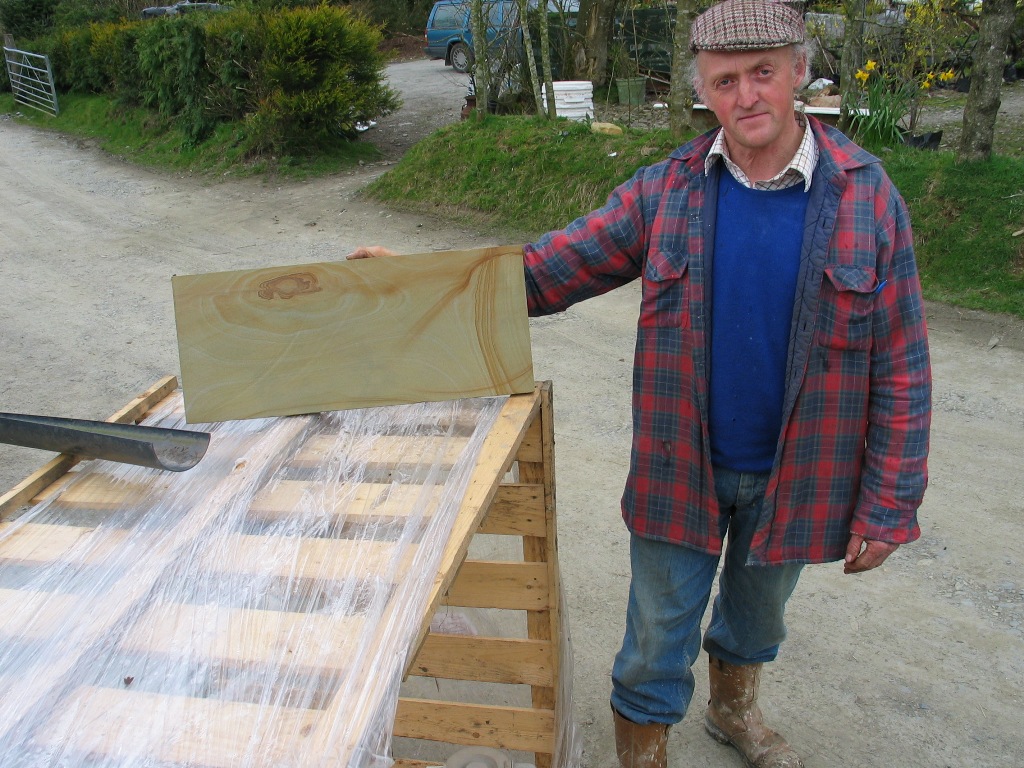
Iwan Evans with a freshly sawn sandstone paving slab from his quarry at Gwarallt


Visit The Welsh Stone Forum   http://www.museumwales.ac.uk/cy/364/


Hospital is no place for the old

I listened to Anne Clwyd MP on the radio the other day, describing the conditions of disinterest and neglect ( like a battery hen)  which marked her husband’s death in hospital in Cardiff.  In the wake of the Mid Staffordshire inquiry, she has been appointed to a government committee to advise on how NHS hospitals should handle complaints.

She has been inundated with correspondence from people from all over the UK whose relatives received little care or compassion on NHS wards. But perhaps most shocking is that while individuals regularly make the same observations, it is widely recognised  among professionals that hospital is no place for the old.

I was responsible for managing my nonagerarian mother’s care and experience in a nursing home in the last five years of her life. About 3 years ago she became severely dehydrated as the result of prolonged diarrhoea.  In need of rehydration the GP assigned her to hospital.

I say assigned because, although the distance was less than a mile it took four hours for her to be admitted.  Those four hours were spent in an ambulance on the tarmac outside A&E, parked alongside three other ambulances containing elderly non-urgent patients.  It was a a freezing cold, brilliantly sunny, January day.  Only two ambulances remained in service, I was told, to deal with emergencies in the entire county!

This part of the care was, however, very good to my mother.  While an IV saline drip cannot (for reasons of arcane regulation)  be provided in a nursing home, she was promptly attached to one in the ambulance.  The heating in the van was excellent, and for nearly four hours she lay quietly rehydrating, attended by the paramedic, the driver, a young care assistant from the care home and myself.  If only, after the four hours, she could have been taken back to her nursing home!
She was at last processed in A&E and eventually admitted to a ward within the target waiting time (not including the ambulance-blocking hours, which do not count towards the target).  It was there that the inadequacies of care became seriously apparent.  Placed in a side ward she was left alone for long periods and not provided with a call bell.  Anti nausea medicine prescribed by the doctor took more than seven hours to appear from the pharmacy.  Simple comforts like tea appeared seldom, ( certainly not on request) while meals were served during “protected mealtimes” when witnessing relatives were banished from the ward. Nursing staff were sullen and uncommunicative.

‘Is she eating anything?’ I asked at the nursing station on my daily visits.

‘Oh we’re very keen on food.’ was the evasive reply.

But evidence there was none.  Full plates were cleared away untouched.  Food and fluid  intake charts were not filled in.  Although quite able to stand my mother was manhandled with a hoist and wheelchair to visit her en suite loo.  No one sought to find out what her physical abilities were. In her own words, she felt she was handled like a piece of meat. Over a week she became more and more deeply miserable.On the sixth day, without explanation, or recording in the notes, she was put onto a glucose drip.  Perhaps they finally noticed she wasn’t eating anything?

Laundry is a reponsibility of the visiting relatives, and on each day I would be provided with a bag of dirties to take home.  Because the reason for her bowel problem remained undiagnosed she was receiving ” barrier nursing”.  How then did the bags I took home prove to contain other patients’ labelled clothing?  When I called to point this out the staff nurse told me that that the two owners of the nightdresses had died, and that I should throw these items away.  A little research proved this to untrue.  One of the ladies was back at my mother’s nursing home, and I eventually returned her freshly laundered nightdress!  I failed to trace the other. But it summed up the attitude on that ward.  Old women with a nursing home tag on their admission bracelet were not seen as individuals.  They were a generic nuisance.

Eventually I wrote a letter to the consultant ( whom I never saw) requesting that she be discharged, whether they knew what was wrong with her or not. I refused permission for invasive tests, which she would have experienced as nothing short of an assault.

In the course of that week I realised then that hospital is just too harsh an environment for a frail nonagenarian.  And that the quality of care is lowest for this category of patient. In her subsequent management I always pointed out to GPs responsible for her care that hospital was not an appropriate destination for the very old.  No one ever disagreed, or suggested that the benefits could outweigh the de-merits of hospital admission.


More on Miölnir

by the Curious Scribbler

I ended my last blog wondering whether the poet Longfellow had acceded to George Powell’s somewhat histrionic request that he burn his poems the works of ‘Miölnir’ and trample the ashes into the ground.

The answer proved, in the digital age surprisingly easy to find.

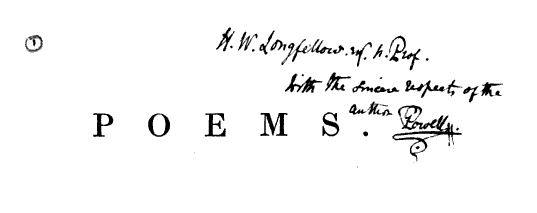
From my computer I could access the Harvard library catalogue, Hollis, and typed in the author’s name Miölnir.  And there it was, Poems Miölnir [pseudo.] 2nd series published by J. Cox Aberystwyth 1861.  A second click opened the very book, online, in Google Books.  And on the title page I found the cramped dedication in George Powell’s handwriting:

George Powell’s dedication to Prof Longfellow on the title page of his book

H.W. Longfellow Esq., and Prof.  With the sincere respects of the author G Powell.
And on the second page of the volume is the bookplate marking the donation of the Longfellow Collection to Harvard College Library.

Bookplate from the Longfellow donation to Harvard Library

Gift of Miss Alice M  Longfellow, 20 Dec.1894

So Powell’s gift was not destroyed, joined the library of Longfellow, and was donated by his daughter to Harvard, where he taught.

Reeling from the public criticism in the Spectator, George, in a letter to Longfellow in 1862,  whittled down his poems in this volume to just eight which he felt possibly worthy of approval, and listed these in the letter which bewailed his treatment by the critics.  By his own reckoning his best poems were those on pages  41, 68, 95, 102, 107, 138, 140, 141

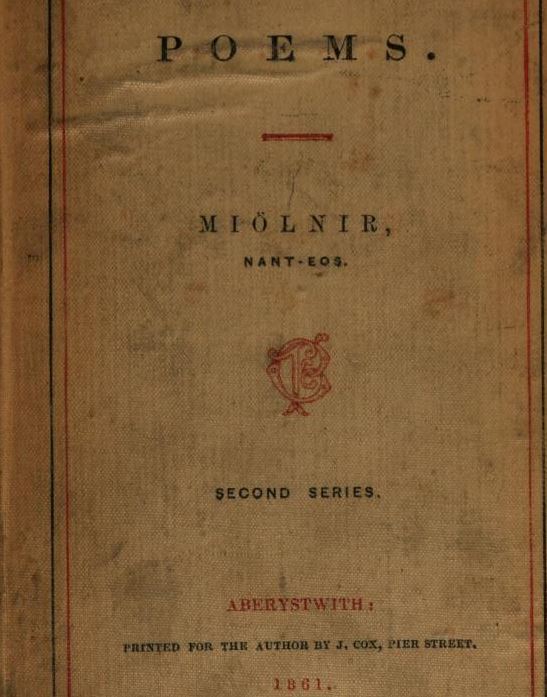
Another revelation from this piece of armchair research is that I was wrong to presume that the double volume of both Miölnir books was sent to Longfellow, or indeed to The Spectator.  Even the cover of Longfellow’s copy is reproduced online, and it is in the original cream binding lined and decorated in black and red.

The cover of Longfellow’s copy of Miolnir’s verses, Series II

The text is amended here and there for typographic errors which escaped the author’s attention in proof.  The amendments are in George’s hand.

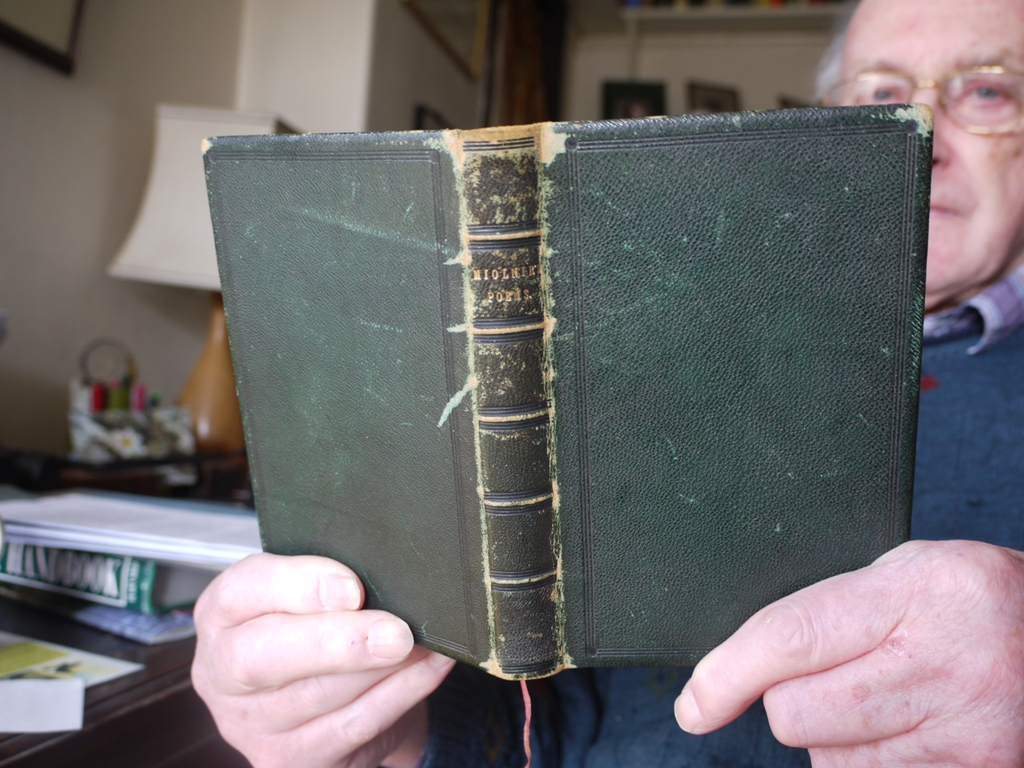
So I must contradict my earlier post.  I now believe that Mr Chater’s copy is a unique one, bound for George some considerable time after his humiliation.  He, like, everyone else, had had the two separate books, one green, one cream,  and thus he had dedicated each of his own copies, lovingly, to himself.  It is these  which were later unbound and rebound together in green leather.

Arthur Chater’s copy of the volume by Miölnir

In the first series of poems were two pieces of comic verse which, by the time of the second series,  Powell had already repudiated in favour of his more aesthetic and gloomy style.  In the Epilogue to the second series, before he had suffered the ignominy of the Spectator review,  he wrote  ‘I have refrained in this volume from attempting any “comic strains”. They were in the last one, such a lamentable failure, were so forced and inexpressibly weak, that I shall take very good care in future – at any rate till my mind be more matured – not to let my pen compromise me so much’. Significantly these two poems have been unceremoniously ripped from this edition.

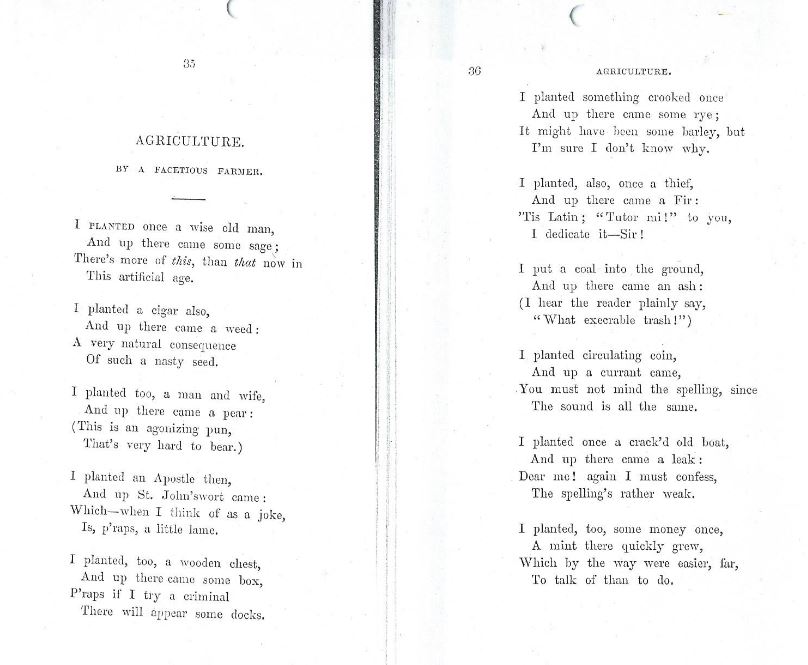
Personally I find comic verse easier to digest than works of tortured beauty and elevated sensitivity which are Powell’s predominant style.  I therefore reproduce, for the first time since 1860 one of George Powell’s youthful ‘betises’ as it appears in an undamaged copy of his first volume .

‘Agriculture by a Facetious Farmer’. A humorous verse in the first volume, which George was later to regret.

The pun never fails to entertain.

The disappointments of George Powell of Nanteos, poet

I am startled by the brutality of reviewers writing for The Spectator in the 1860s.  I had been browsing in search of reaction to the publication of a volume of poems by George Powell, and  I soon discovered that the flavour of poetical criticism in 1861 – 1862 was stinging indeed.

In August 1861, for example, I found a long review of poems penned  by a clergyman.  “The Rev. John Graham has done a very foolish thing in ever devoting an hour from his time to writing verses. He has done an infinitely more foolish thing in venturing to print them. He ought never to write without burning all he writes as soon as it is written………..  We close Poems: Sacred, Didactic and Descriptive in bewilderment and dismay”.

Another new work, Athelstan, A Poem by Edward Moxon received similar derision “ Mr Tennyson may sleep secure. His laurels are still safe….. Whatever else he may be, the author of Athelstan is certainly not a poet, either by birth or manufacture”.

A review entitled Poetry Tearful and Tremulous discussed two new volumes: Cypress Leaves by WHCN (an Etonian) and Poems by Ingle Dew BA. “—we re-iterate our hope that these remarks may induce Mr Ingle Dew BA, and WHCN to feel heartily ashamed of their literary escapades and to attach for the future as little importance to the twitterings of their own emotions as those exceedingly few persons who will read their work are certain to attach to them.”

Aspirant poets must have retired to sob at such a drubbing.

George Powell, was amongst these poets.  The son and heir of Nanteos mansion he was, like WHCN, an Etonian and by 1861 an undergraduate at Brasenose College Oxford.  He had already published in 1860, at his own or more probably his father’s  expense,  a collection of five short stories which as far as I am aware never received critical attention.

George Powell first published a small volume of 31 poems, entitled Poems of Life and Death in 1860 under the pseudonym Miölnir.  His epilogue excuses any deficiencies in the light of his own youth and inexperience.  However he leads the reader to his cause:  “First attempts are in all cases, even those of great genius, defective to a certain extent. They should be regarded as, not perfect works, but a foreshadowing of perfect works or more perfect works: as exercises not as models, as footlights not as stars”.  He signs off as Miölnir, Brussels, December 3rd 1860, and before the year was out a slim book with a dark green embossed cover was printed for the author by J Cox of Pier Street, Aberystwyth.  Perhaps it was distributed as Christmas presents.

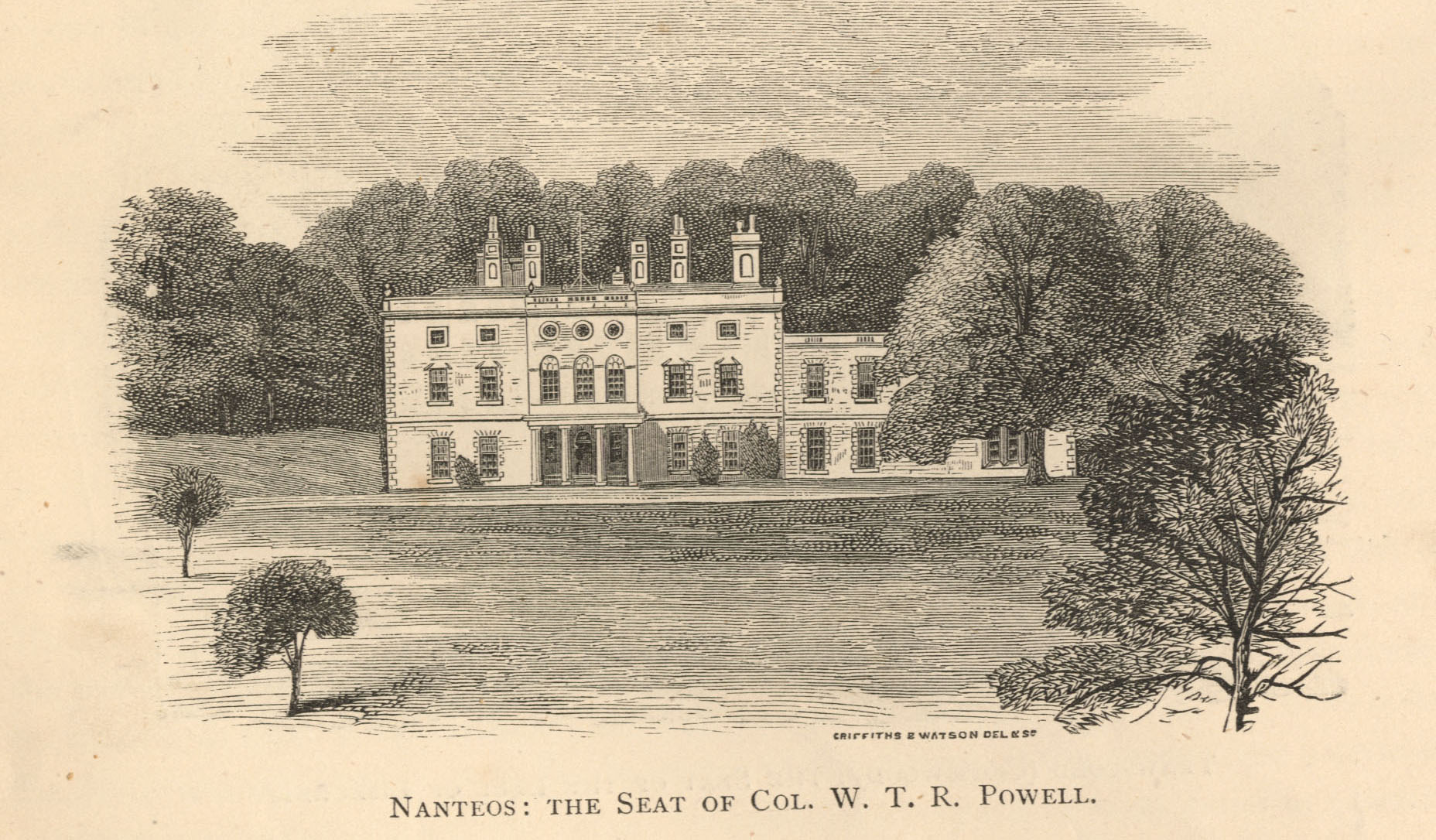
Nanteos, portrayed in Nicholas’ Annals and Antiquities of the Counties and County Families of Wales 1872

A  second volume was  soon under way, arranged in four parts with many personal dedications, most significantly part 3 to the poet Longfellow, whom he did not know, but admired from afar.  The final poem added only in press was an elegy to the Prince Consort who had died on the 14 December 1861.  The second volume was signed off on 20 December 1861, and appeared in a cream cloth binding.

There were also some copies in which both parts were bound as a single volume.  One such copy went to The Spectator, and another was posted with the compliments of the author, Miölnir, to the poet H.W. Longfellow at Cambridge, Boston, Massachusetts.

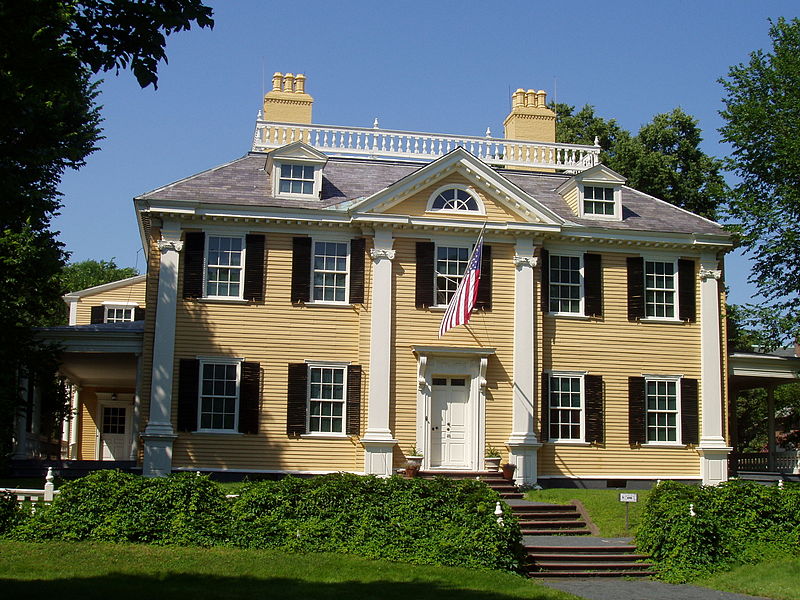
800px-Longfellow_National_Historic_Site,_Cambridge,_Massachusetts

Longfellow’s home in Cambridge Massachusetts

A third of these combined volumes has found its way via the second hand trade into the hands of Mr Arthur Chater.

Arthur Chater’s copy of the volume by Miölnir

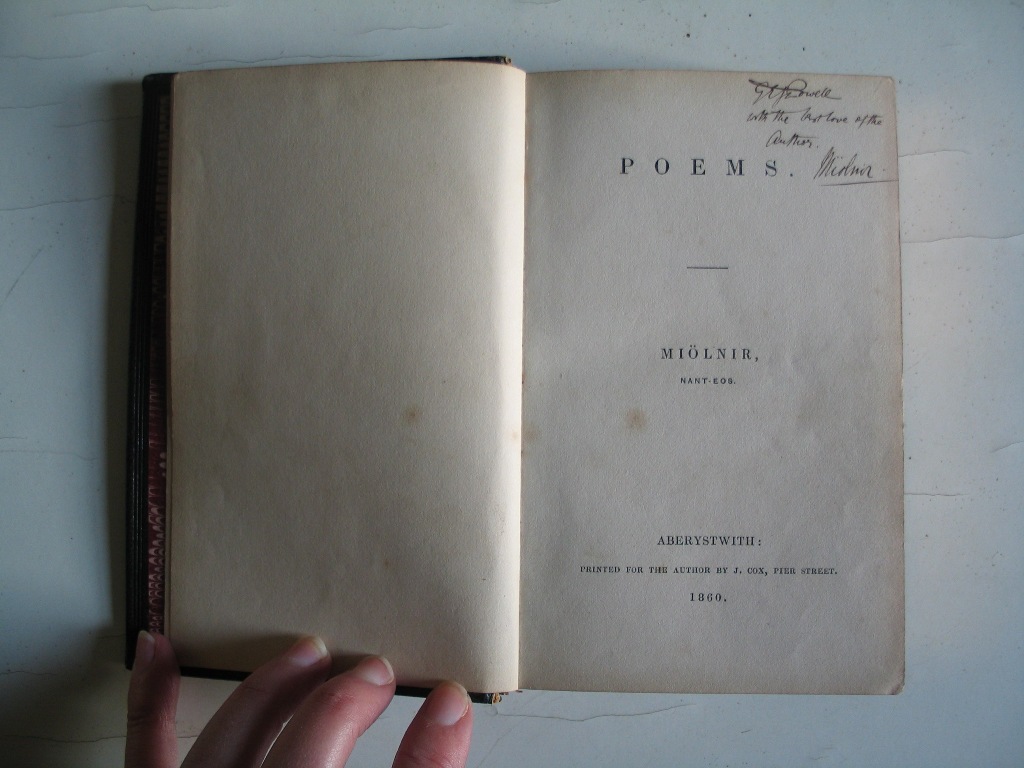
This is a puzzling volume, for on the title pages of both the first and the second series of poems is a dedication, “GEJ Powell with the best love of the Author, Miölnir”

Poems by Miölnir, the dedication at the beginning of the first volume

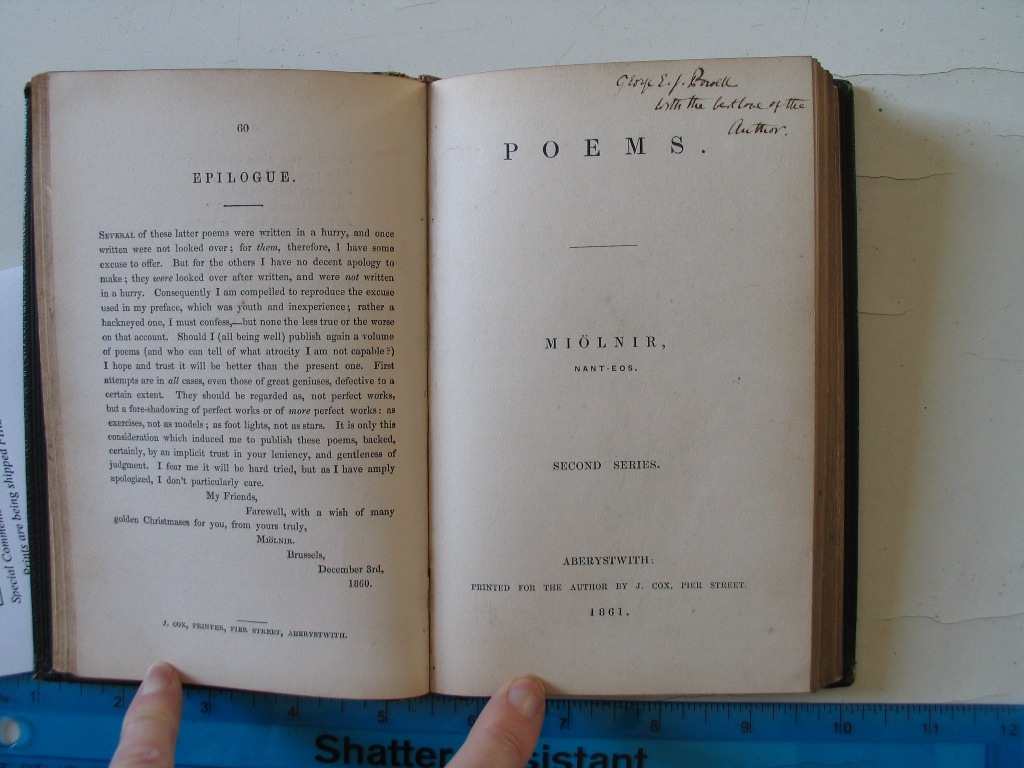
and “George EJ Powell with the best love of the Author”

The handwritten dedication from Miölnir to George Powell

A comparison of the handwriting with that of George Powell’s letters to Longfellow confirms that it is in the same hand.  George Powell, perhaps in order to be able to claim close acquaintance with his alter ego, was in effect sending himself his love!

On 1 March 1862 Powell must have opened The Spectator with keen anticipation.  He read as follows;

The premature mild spring weather is bringing out the minor poets, and ere long the cuckoo will be heard in the land. The most pretentious of verse makers is Mr W.C. Kent—- Though it may not be necessary that the driver of fat oxen should himself be fat, it is at least necessary that the writer of poetry should be something of a poet – which Mr Kent decidedly is not.  A more feeble, but at the same time a far more modest versifier is one who assumes the pseudonym of Miölnir.  Indeed his only merit is the negative one of self abasement, which he carries to the extreme point of simplicity.  He is evidently an amiable and ingenuous youth, whose naïveté and genuineness of character will command many friends, too staunch to be alienated by the meagreness of his poetic faculty.”

Powell  was obviously smarting when he wrote  again to Longfellow on 14 March 1862. “ I most unwisely sent it to The Spectator for review, a thing I ought never to have done with a work printed for private circulation”.  After a prolonged account of the review and its limitations he concluded  “ I will not trouble you with a long account of my petty woes, which I have quite recovered from” .

Clearly he had not recovered his composure at all and wrote another long letter to Longfellow in June. “ being compelled to leave Oxford by continued ill health,  and perpetual gloom and low spirits, the former induced, I believe, by the damp unwholesome air, and the latter by my insurmountable distaste for members of the College by whom I found myself surrounded – I wished for as complete a change as possible so came here [to Reykavik].

The following January George was back at Nanteos but the injury was still very much on his mind. “ Six or seven months have toned down wonderfully even my limited admiration for my own poems in so much that I now look with loathing upon that last volume…..  If I had only attended to Horace’s ‘Nonum prematur in annum’ I should have been spared the mortification of exposing the weakness and folly of my mental childhood.  May I entreat you to burn the volume of Miölnir’s poems and trample its ashes underfoot.”

It is not known whether Longfellow acted upon this entreaty by the humiliated poet, but clearly George could not bring himself to burn his own personal volume, so affectionately dedicated to himself.  He published no further poetry but found a new outlet for his writing as a translator of Icelandic sagas.


Footnote: Nonum(que)  prematur in annum  translates as Let it ( your first draft) be kept back from publication until the ninth year.

Remembering Tabernacle Chapel

It is not often you see a listed building smashed to dust in front of your very eyes.

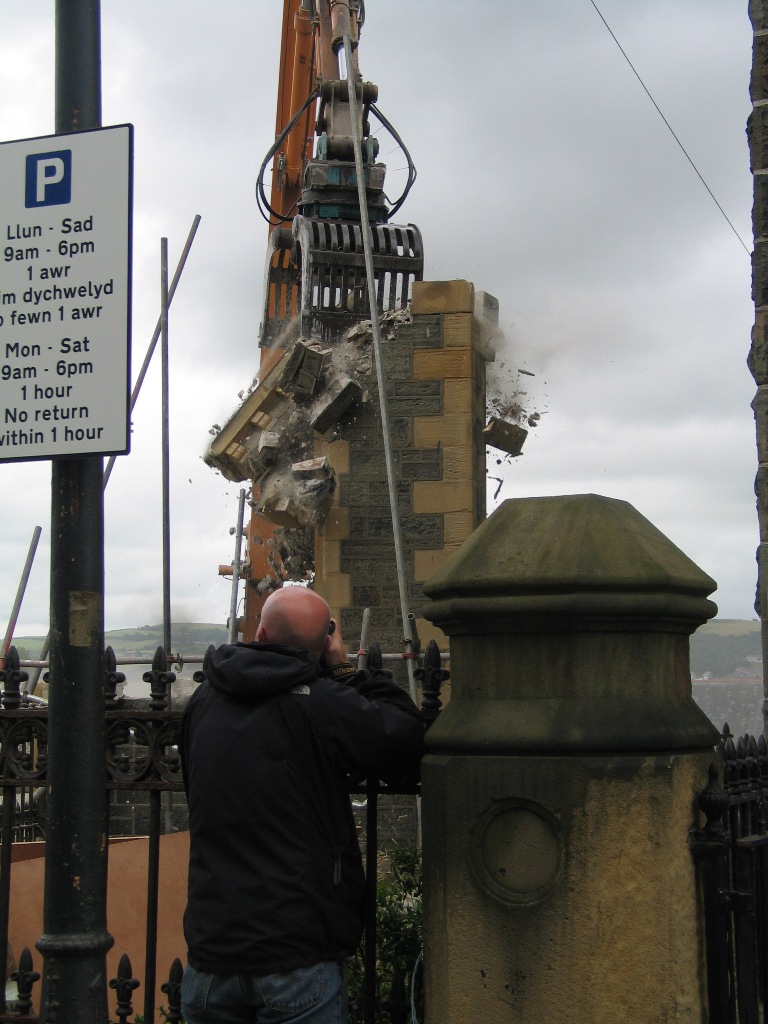
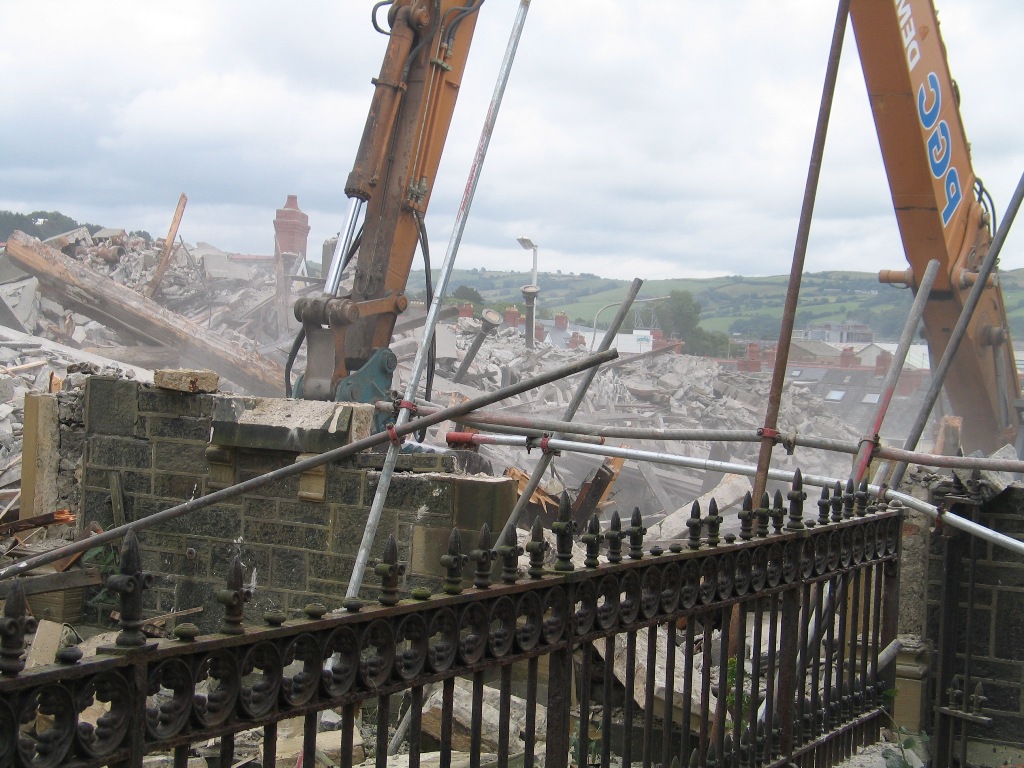
The 11th of July 2008 was such a day though, on which we stood and watched with disbelief as the largest demolition crane ever seen in Aberystwyth methodically chomped its way through the burnt shell of this landmark chapel crammed into the sloping plot between Mill Street and Powell Street.

The chapel was a huge building, its curved gallery of pitch pine seating supported by elegantly fluted  iron columns.  It had long lost a viable congregation, though I remember attending a big school carol service there in the 1980s. While an undeniable hulk dominating the town, its fine interior, and the portentious facade at the Powell Street end had contributed to its listed status and its eventual downfall.  Saving these features and creating a sympathetic conversion to flats at the same time would have been a considerable challenge. Planning permission for such a scheme was granted, but work never began.

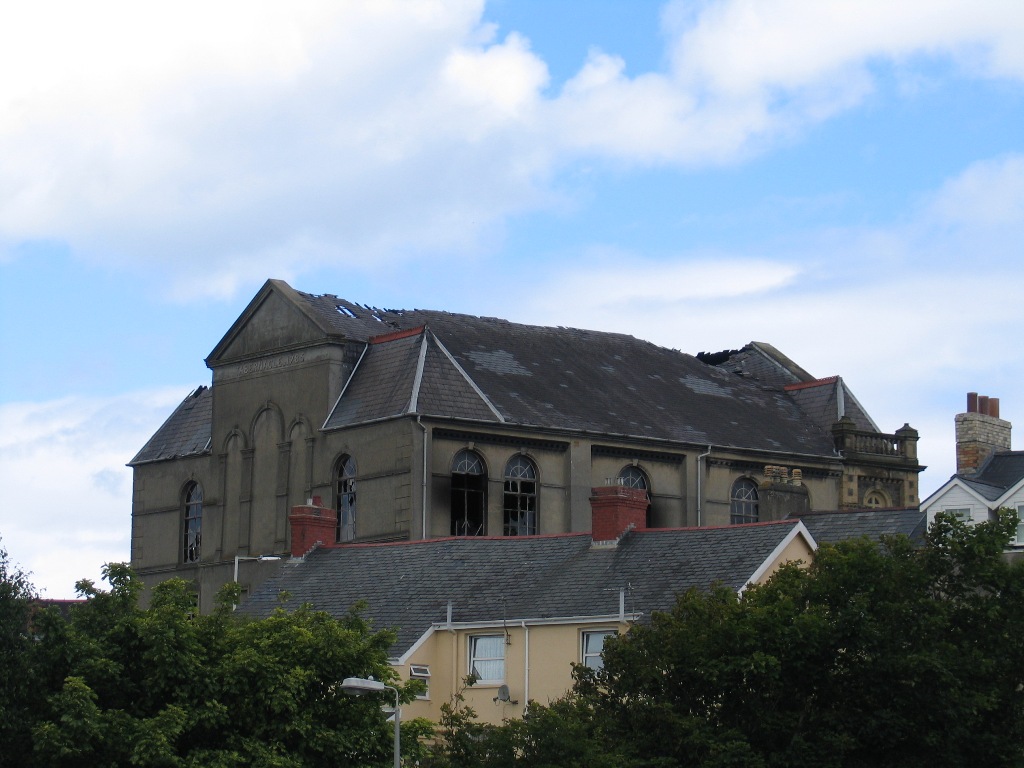
On the preceding Friday in July the empty building had caught fire, and although only metres from the fire station its roof was soon well alight. By morning, the smoke scarred windows and collapsing roof ridge caused the closure of the nearby roads to traffic.

The fire damaged building

The Calvinistic Methodist Tabernacle Chapel, built in 1878 and gutted by fire 130 years later

The following Friday the gigantic crane began at the Mill Street end reaching great clawfuls of masonry with the grab on its telescopic arm and advancing inexorably through the building.  The tiers of seating, the elegant metal pillars, the pitch pine interior were all soon reduced to a tangled mass under the caterpillar tracks of the machine.

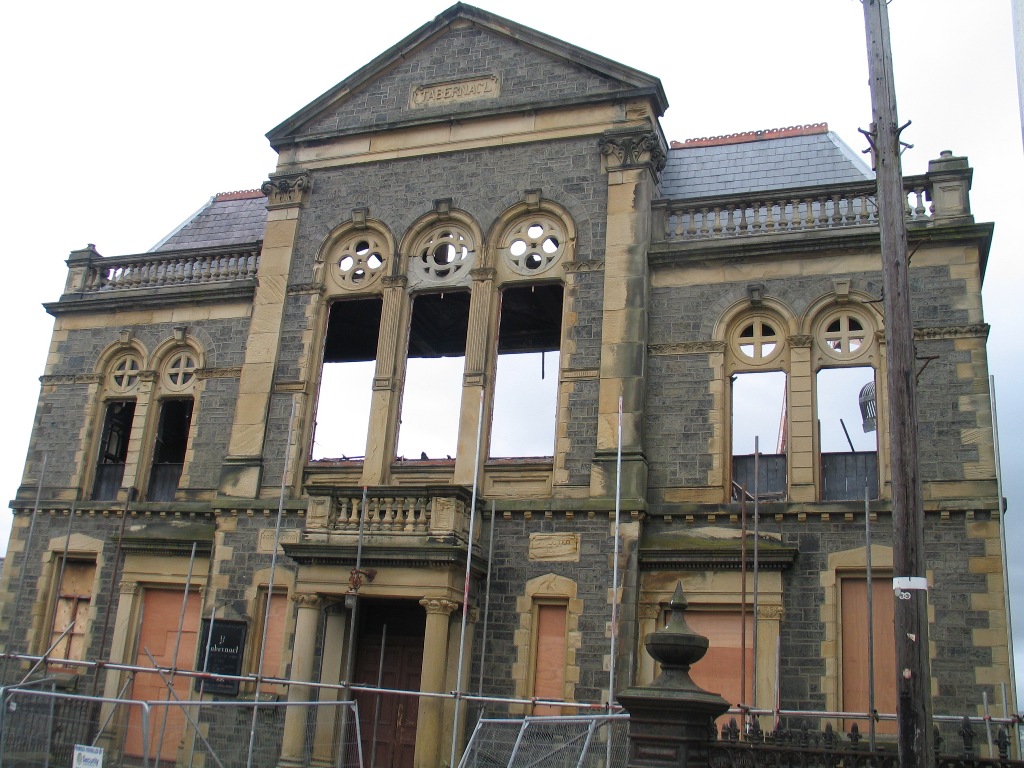
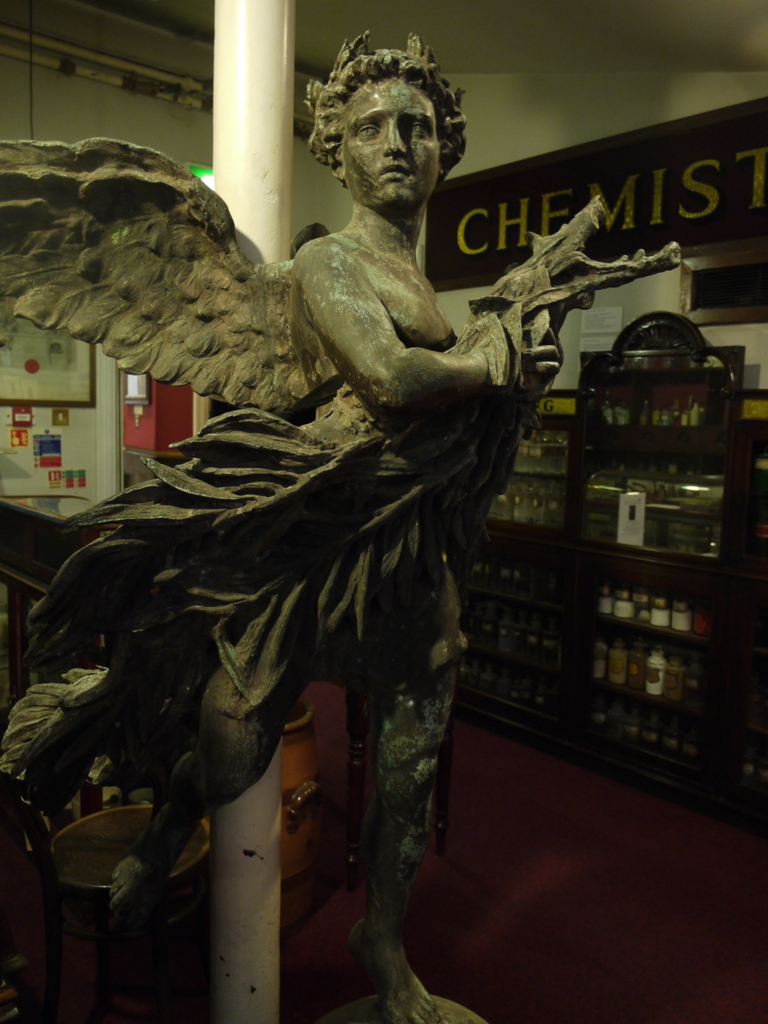
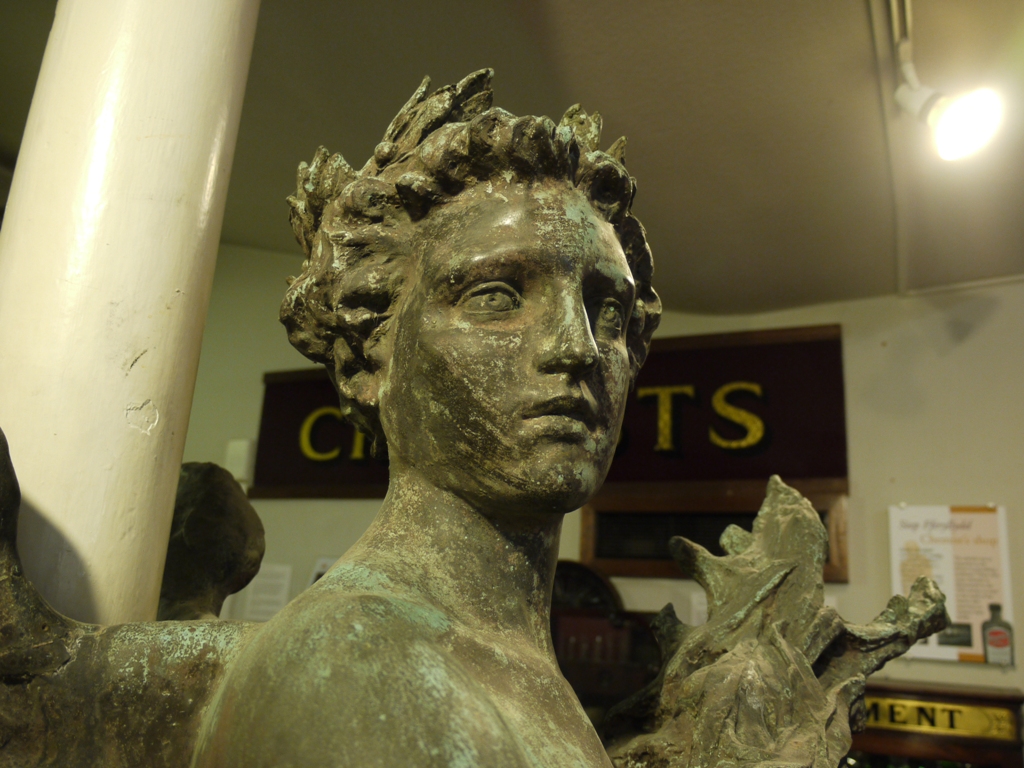
The Powell Street facade was especially grand, and almost independent of the rest of the barn-like structure.  Here it was not rendered but built of dressed local stone, with pillars, balusters, and seven tall round-topped windows and lintels of Cefn Sandstone from Ruabon  stone.  It seemed untouched by the fire.  By the early afternoon, only this facade, and the return walls built in the same material still stood.  Naively we assumed this would remain and could still front the eventual conversion and retain a little historic character in this part of the town. To the side of this facade, and enclosed by substantial arrow headed iron railings was a tiny shady patch of grass, barely a garden.  This had been one of Aberystwyth’s secret spaces. For in the centre of the little lawn was a plinth on which stood a bronze statue of a  winged youth, with a laurel wreath on his curls and a bundle of ragged palm leaves cradled on his arm.  His foot balanced on a sphere of bronze and on this sphere are engraved in bold capitals the names of fourteen men.  These were the members of Tabernacle chapel killed in the First World War.  Like the monumental town memorial, this graceful piece was also the work of Mario Rutelli.  By the morning of 11 July 2008 it had been removed from the site.

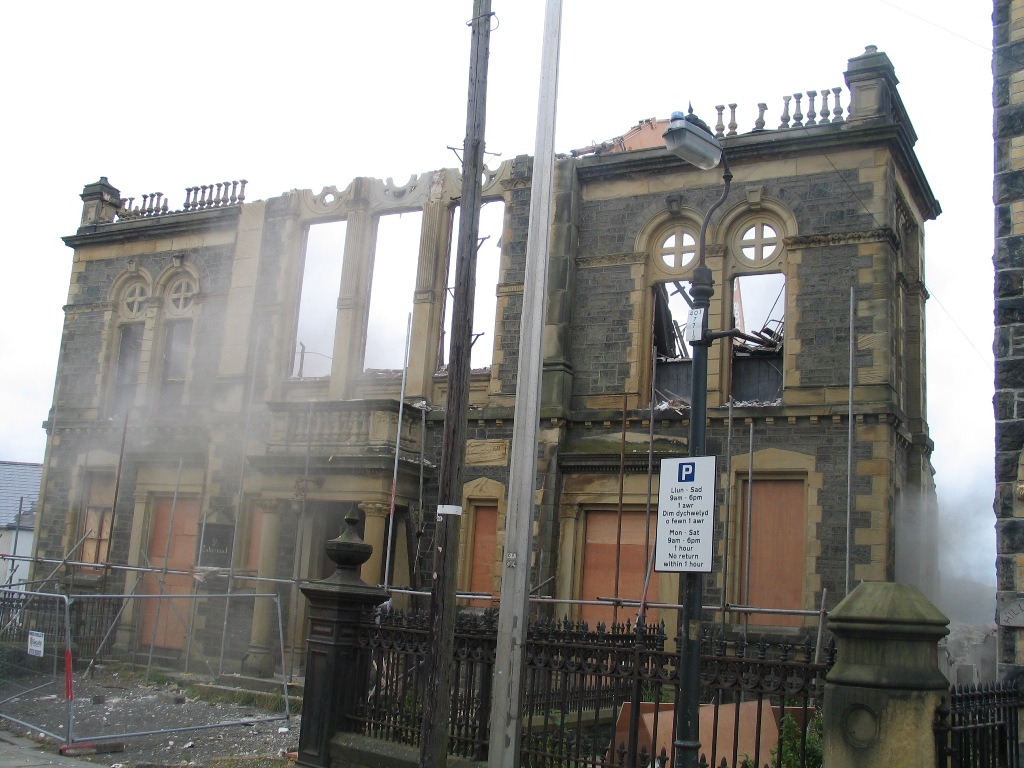
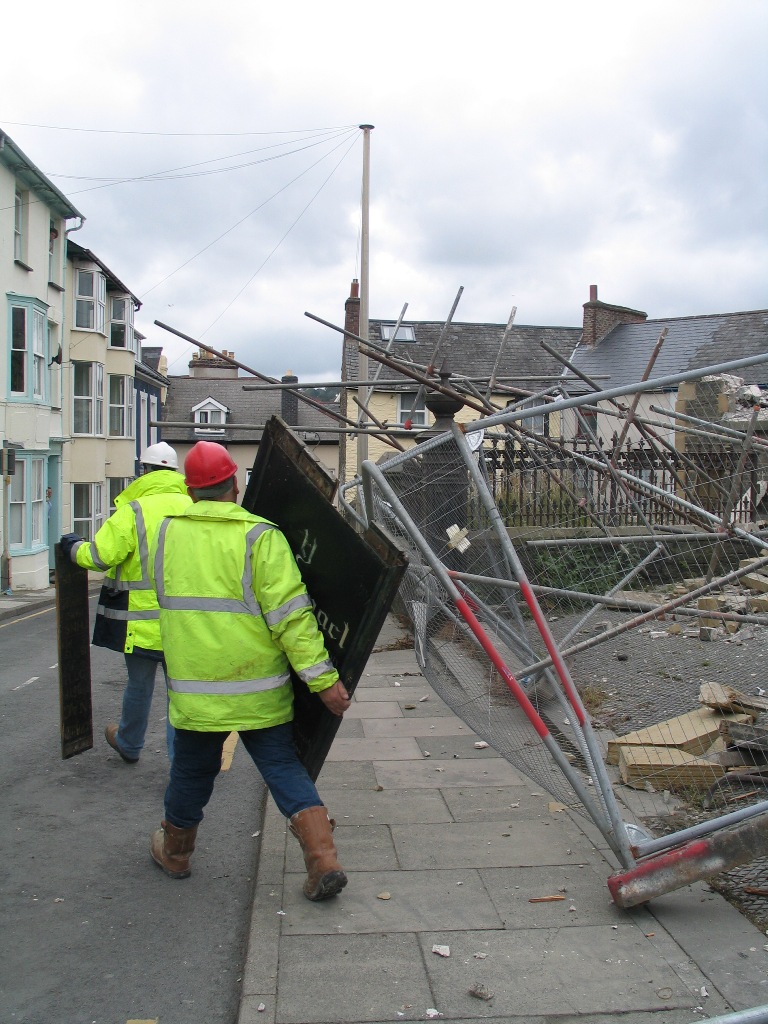
The demolition crane just kept on working its way through the building.  Effortlessly it reached up from the old chapel floor to grasp the towering pediment of the Powell Street entrance and casually brought it crashing to the ground.  Methodically it tugged off the coping stones of the parapet. The immaculate turned stone balusters snapped like so many broken teeth.  Then it chomped up the chimneys at the two corners, the seven elegant first floor windows, the little balcony over the sturdy pillared portico.  The massive freestone quoins of the corners were the hardest to shift and among the last stones standing.  Supported on the inside by the two chimneys these massive corners would surely have braced the facade.  Finally there was just the ground floor with its three tall doorways and four windows standing.  And when these crashed to dust the workmen carried away the white-lettered Tabernacle board and gave it to a neighbour as a souvenir.

For a brief period we thought the Powell Street Facade would be retained


The demoliton crane soon nibbled away the facade

The massive quoins and chimney corners were difficult to demolish

A new view opened up towards Penparcau. The railings of the little War Memorial garden remained.

Finally the Tabernacle board is given away as a souvenir

That night the crane left town, and a great gap allowed a view from Powell Street out to the hills of Penparcau.  The site was soon surrounded by high fencing and the wreckage was gradually carried away.  The little garden is a forlorn tangle of brambles now.

Rutelli’s pretty monument eventually found a refuge in the Ceredigion Museum, eight sturdy volunteers carried it up the stairs and strapped it to a pillar of the Coliseum where it can be admired today amongst the varied exhibits.   The accompanying information sheet states that the developers, Merlin Homes, intend to eventually restore him to his little garden at the corner of the site.  But there has so far been no development, and this summer will be five years since the fire.

Rutelli’s statue now resides in the  Ceredigion Museum

For Ceredigion Museum visit   http://www.ceredigion.gov.uk/index.cfm?articleid=197


More on Rutelli’s sculptures

by The Curious Scribbler

I’ve had a lot of interesting comments arising from the blogs on Rutelli’s Aberystwyth war memorial sculptures. In this town we like our handsome nude woman, and people often stop to take her photograph.  She is more eyecatching than the traditional assemblage of weapons or the lone and gloomy soldier of so many other towns.

It was a real find to discover she also exists in a garden in Rome ( see Truth comes out of the Bushes) .  But as correspondent ‘dredwina’ points out, it is not unusual in the 20th century  to make five or six editions of a bronze, declaring them at the outset, but not actually creating them all until buyers turn up.  Just as there are at least three Rutelli winged victories in the world, there are, for example, two locations where Churchill and Roosevelt chat upon a bench. Spotting the duplicates could become an absorbing hobby.

The original model, however, was a one-off and  sources have come up with several  oral histories on the subject.  Helen Palmer  writes:- I had a story that the model for the busty lass was a Belgian girl who – as a very elderly lady – visited Aberystwyth some time in the 1980s, but I cannot remember the source and maybe it was all baloney!

While historian Gerald Morgan had a slightly different version – When showing a group around Aberystwyth I was told that the naked lady had been modelled on the wife of a local shopman, Ernie’s Chips or some such, and that as an old lady she had returned to Aberystwyth in the ?1990s and been interviewed by the Cambrian News! Again, I’ve never checked it out!!

Possibly these are both spurious claims.  More likely the girl in question was in Rome, and since she would have been  at least 16 when she modelled she must have been extremely old by the 1990s!

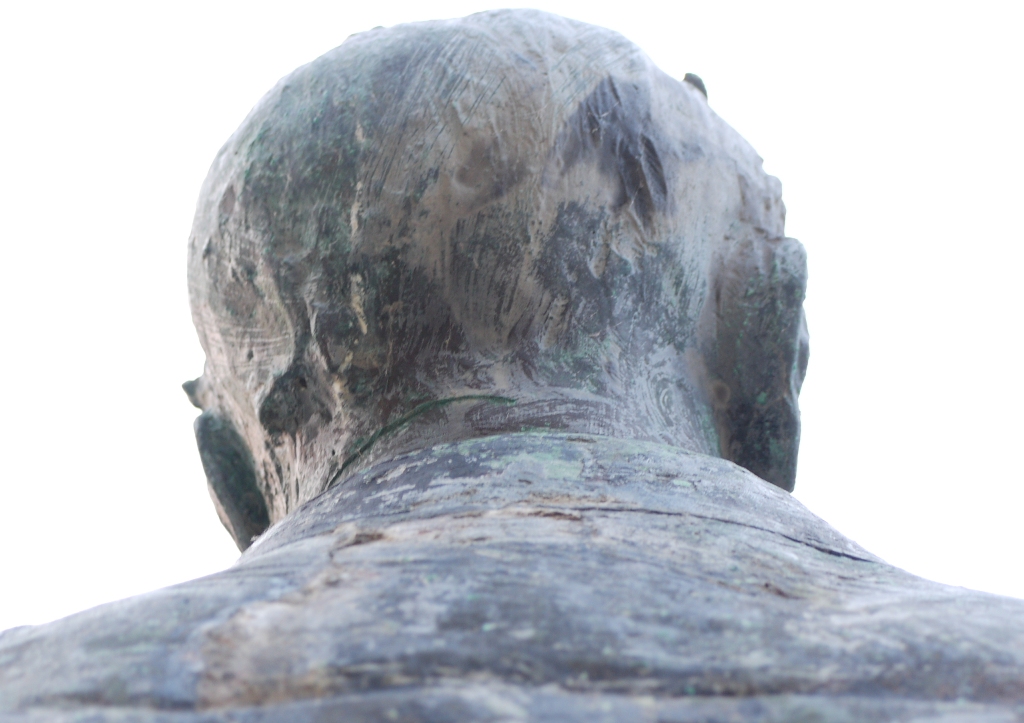
By contrast ‘Tone’s account of repairing the part-severed head of Edward Prince of Wales on the seafront stands up to robust scrutiny. ” At the time when I was employed as a Art/Ceramics technician at the then Visual Art Dept. Llanbadarn Road, on more than one occasion I had to travel to the “Old College” to repair Edward’s neck as an attempt was made to remove his head at the end of the academic year by, it was said, students from Pantycelyn Halls of Residence.
He wasn’t a tall prince, though could be described as handsome, It was an easy to repair as I could reach the damaged area without the aid of steps.
Although as you say “seldom remarked upon” he is certainly marked upon by the use of the hacksaw!

I climbed up the plinth to verify, and established both that Tone is a good deal taller than myself, and that the repaired hacksaw groove on the back of the neck is plain to see.

The green line of corrosion marks the repair to the Prince’s neck

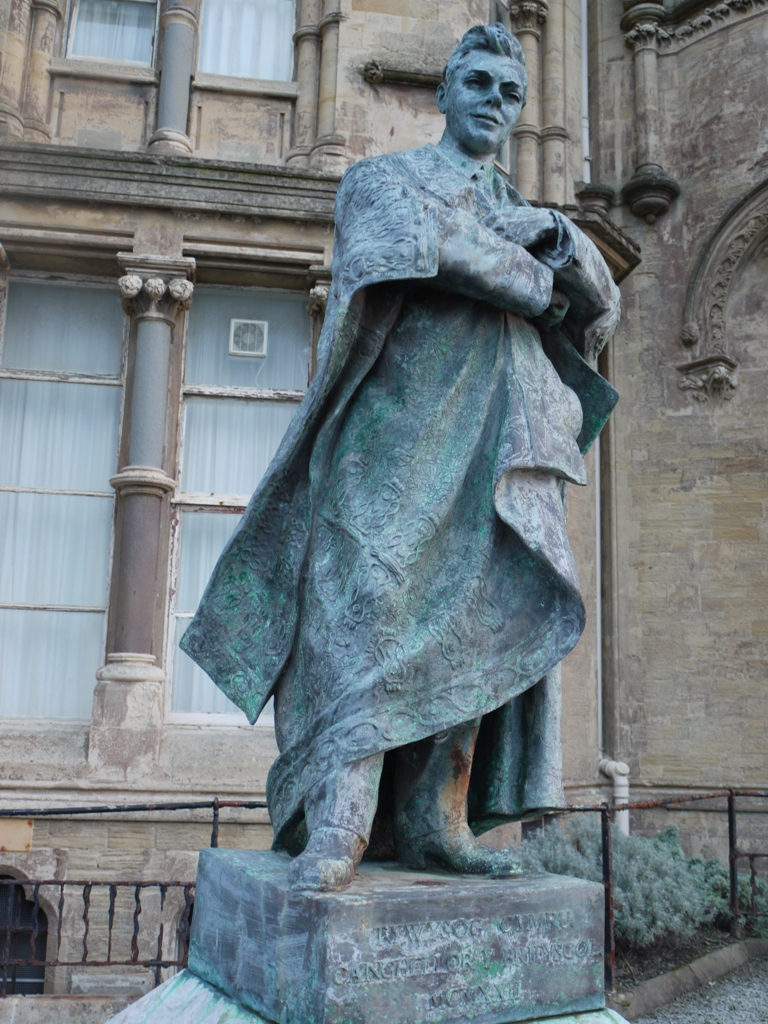
I don’t think we will find other editions of this sculpture tucked away incognito.  It is generally understood to be the only life-size bronze of Edward VIII anywhere.  His abdication in favour of marrying Wallis Simpson put paid to what might otherwise have beena lustrous career in commemorative statuary.

Statue of Edward Prince of Wales at Old College Aberystwyth

Edward Prince of Wales, Chancellor of the University College of Wales 1922, by Mario Rutelli

Arthur Chater also comments  “And I believe that students once sawed off, or tried to saw off, his head. There is certainly a nasty scar on the side and back of his neck. The statue as a whole is rather good I think, with a nice art nouveau trail to his gown, but the face is appallingly weak – maybe though this is in fact a perceptive insight into Edward’s character on the part of Rutelli?”

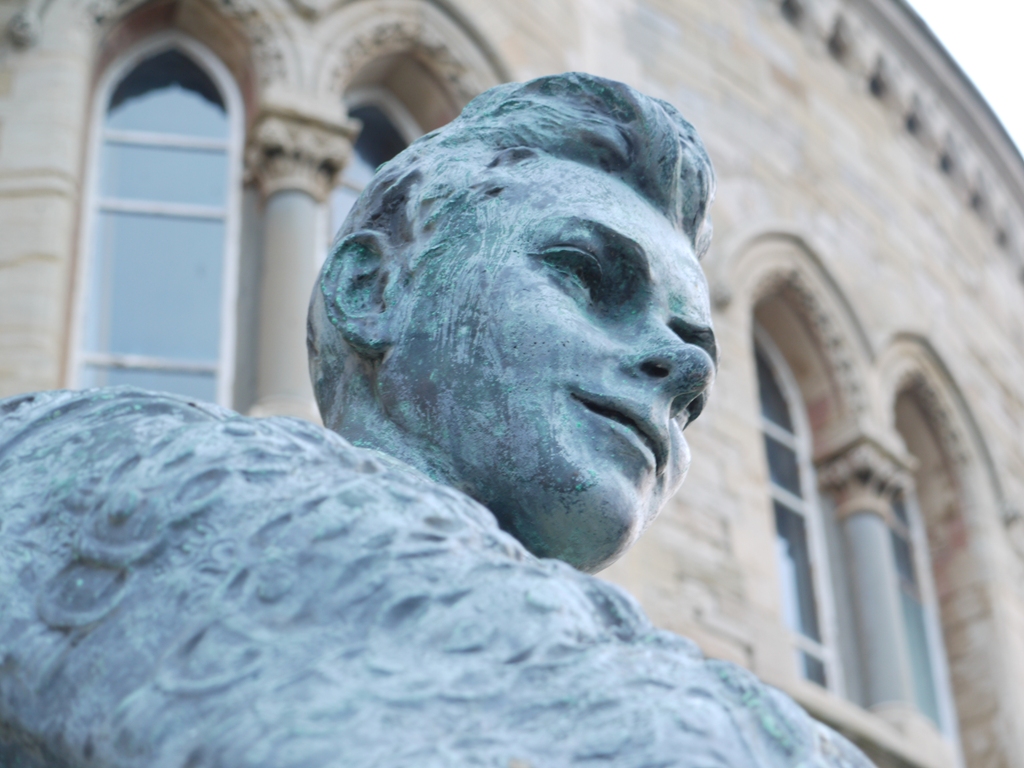
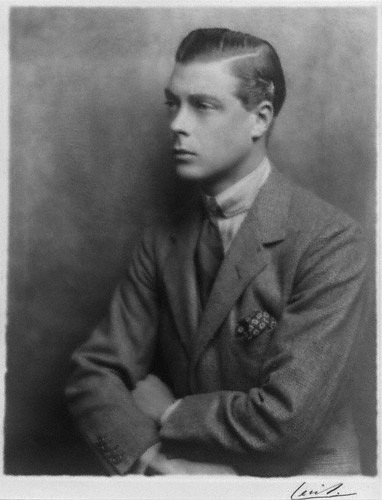
His gown is indeed very fine, and richly ornamented.  His face looks strangely faun like, though it is true that in photos as a young man his tip tilted nose and and boyish look is indeed apparent.  If this was modelled in 1922 he was less than 28 when the likeness was taken.

A close up of Edward's face

Detail of Edward Prince of Wales, a likeness from or before 1922

The Prince of Wales photographed by Hugh Cecil Saunders in 1925

Speaking of fauns, Mary Burdett Jones has reminded me that I have so far neglected Rutelli’s first commission in Aberystwyth, the war memorial to 10 members of the Tabernacle chapel who died in the First World War.  Tabernacle Chapel?  Yes, that is another story…

On choosing a gardener, an employer or a mate

by the Curious Scribbler

My perusal of The Gardeners’ Magazine for December 1943 reveals some advice, from a Thomas Jones of London (a Welshman I suspect), entitled Phrenology for Gardeners and their Patrons.  Mankind has always deceived itself into believing that inspection of the physiognomy will reveal the secrets of the inner self.  If only it were true, surely tricksters, burglars and murderers would have been long since weeded out of the population?

Nonetheless this article, and the accompanying illustrations ( engraved for our education at the author’s expense) caused me quiet amusement.

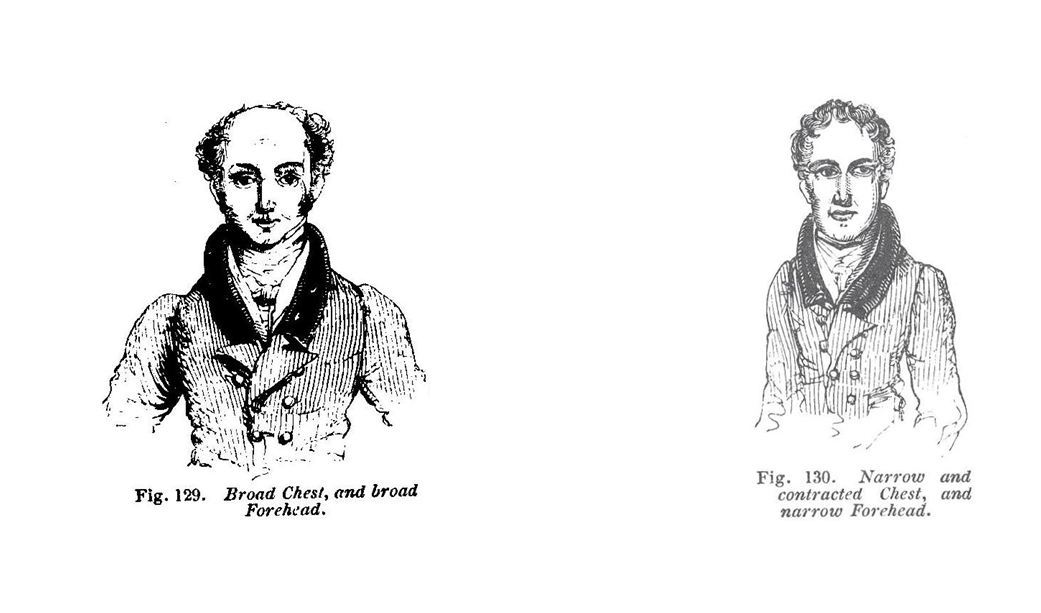
Figures 129 and 130 illustrate the physiognomy desirable in an employer, should a gardener be fortunate enough to have a choice of situations.  Jones tells us “it might be useful to know that all other circumstances such as duty, wages, prospects &c., alike, the lord or the lady with a broad full chest, broad erect forehead, and not much exceeding middle size (fig. 129) will naturally be the most kind and generous to them…  An intelligent gardener would not willingly choose to live with a master having narrow shoulder and a contracted chest (fig. 130).”

Engraving in The Gardener’s Magazine, December 1843

Funnily enough the gentleman on the right is the one who more closely resembles the 21st century vision of Mr Darcy!

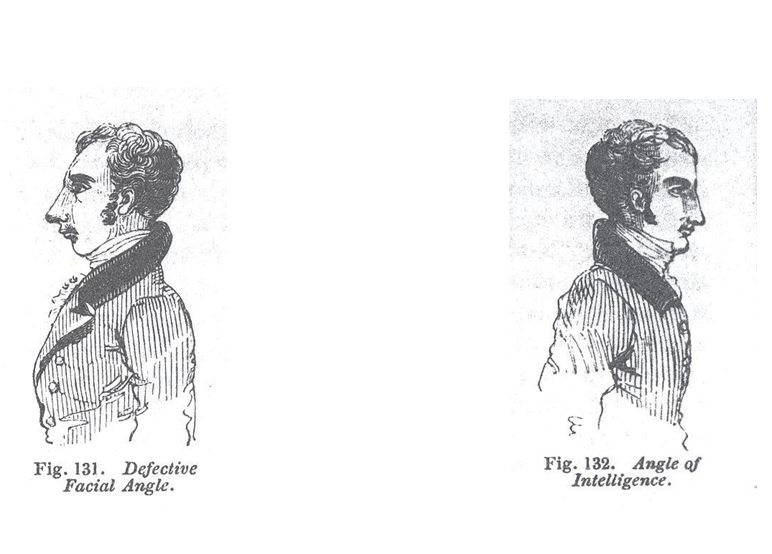
A further pair of images explains the importance of The Facial Angle.  Our well-informed gardener would not willingly choose to work for an employer with a defective facial angle – a sloping brow and receding chin ( fig. 131).  Such flaws would also be undesirable in an employee.   However a  gardener contemplating an employer might take the risk after all, because “the inestimable blessing of education, and the intercourse of high and polished society, neutralise or counteract the former to such a degree as to put its possessor almost on a footing with the man of native strength of mind”. Chinlessness then, is an insuperable defect in a gardener, but may be overlooked in a well-educated member of the landed classes!

Engraving in The Gardener’s Magazine, December 1843

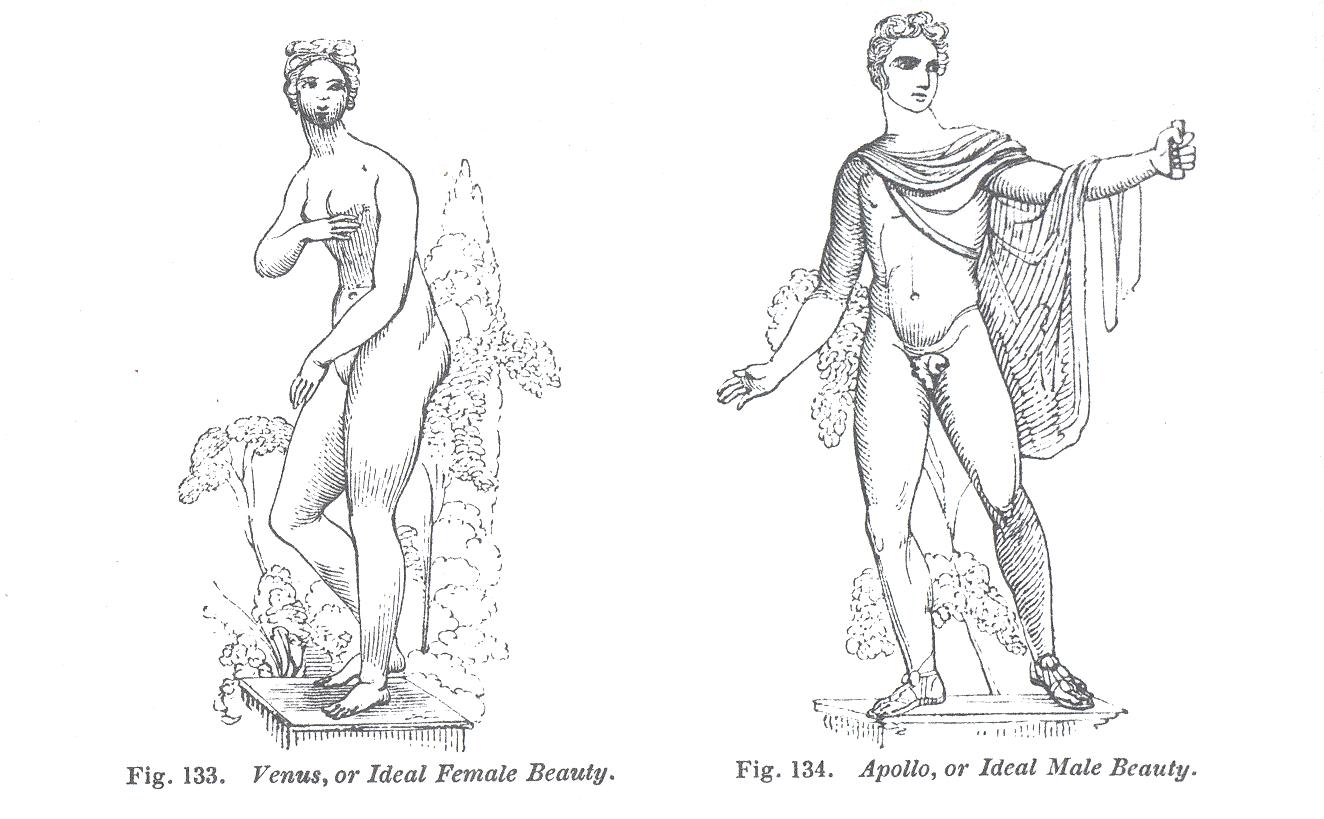
Thomas Jones moves on to wider implications:    “If this kind of knowledge is of importance to a gardener or an employer, it is of still greater importance to him in the choice of a wife.  Nothing good is to be expected from an uneducated woman, unless she has an ample chest and attenuated extremities.”  Expanding his theme he writes: “All other things being equal, a man should make choice of a wife whose form and extremities come as close as possible to those of the Venus de Medicis ( fig. 133) and a woman should choose a husband of a form, and with extremities, coming as near as possible to those of the Apollo Belvedere ( fig. 134).  Full sized statues of these models of beauty and perfection ought to be in every garden, and in the hall of every gentleman’s house: casts of them ( which may be had perfect of their kind at 7s each),  on the chimney piece of every cottage as a beau idéal to operate on the imagination.”

Engraving in The Gardener’s Magazine, December 1843

Jones also deplores the eugenic impact of  prolonged war, quoting an article in the Annales de la Hygiène Publique, which asserts that wars tend to degenerate the human race by killing off the tallest healthiest men without their leaving offspring.  It would be best, says Jones, to select for soldiers none but little men.

Classical statuary is not uncommon in historic gardens.  Hitherto I saw it as merely as ornament, the focal point of a view. In the light of Thomas Jones it can be reappraised as a manifesto commending the coupling of tall athletic men with young women possessed of ample bosoms and long feet.


The Trials of Spam

by The Curious Scribbler

As a blogger it is really exciting to get a reply or  email from a real reader adding to a story, like Tone’s account of how the Welsh Nationalist students  tried to sever the bronze head of the first Vice Chancellor of the University because he was an English king ( albeit briefly)  Edward VIII.  Or Kate’s link to Robert Parnall  of Llanstephan,  one of her ancestors in Carmarthenshire. Or indeed nice comments from people with nothing to sell.

But there is a blight upon bloggers which makes one foam at the mouth.  The parasites, trying to get publicity for their dodgy merchandising sites, too idle or illiterate even to write a relevant sentence as a vehicle to which to attach the website address of their wares.

Some send in a generic comment which appears badly written but superficially flattering:

You made some decent points there. I looked on the net for the problem and discovered most individuals will go along with your site.
You have a terrific blog here! would you like to create some invite posts on my blog?

Or

Nice post. I find out something more difficult on unique blogs everyday. It’s going to often be stimulating to read content from other writers and practice just a little something from their store. I’d prefer to use some with the content on my blog no matter whether you do not mind. Natually I’ll give you a link on your web weblog. Thanks for sharing.

These were both in response to the post ‘What is a Lhasa Apso?’ A bit odd, but believable, until you realise the correspondent is actually peddling a link selling American football jerseys!

A regular offender wants you to buy cheap Ugg boots in the USA and Argentina:

This seriously answered my issue, thank you!

I discovered your weblog web-site on google and check some of your early posts. Continue to maintain up the extremely great operation. 

Time and again I consign this author to trash.

Or having read about the Aberystwyth war memorial another ‘reader’ replies

I enjoy these black a pair of glasses. These are generally safe and sound, fancy and superb simultaneously. They provide an extremely contemporary look at and travelling within a comfy daytime it is a good selection. fake oakleys

Possibly the fake branded sunglasses are so black the author can neither read nor write!

And in the complete gibberish category comes this:

Stay above clothes. I would say some sort of added benefits of perhaps may be two-Flip the; You’ll not be be trying late deal for garments to pack it and you could not be posting mafia among solely 1 set of training pants resulting in nil stockings.

Or

You will not even need to take moth golf tennis baseprojectiles of keeping pestilence removed from your material, Several portable content since the event could be gives people like and/or snaps. When you purchase fluids above the protection gate, You should bring regarding on the airplane.

Both of which comments would give links to Louis Vuitton Bags  and Emporio Armani Watch Mall.

Less easy to spot was Phillip, who wrote

Your post, 1807 entry pass for David Lewis | Letter from Aberystwyth, is really well written and insightful. Glad I found your website, warm regards from Phillip!

Who wouldn’t experience a momentary warm glow?  But to approve this comment would furnish my readers with nine links to American social networking, job seeking, brand buying, property selling and joke purveying sites.  Nine of them in all.  Phillip, I will survive without your fake praise!

Why do they keep on sending this nonsense, when it never reaches the readership?  Surely they understand that the author of a blog can approve, or reject any comment?  What the author cannot do is to expurgate their comment and remove the marketing content.  But I can clip out their comments and republish them in my own blog, for the enjoyment of those who would wish to remind themselves how many fools there are in the digital world. And I have found in the dross a valuable expression  –  a single phrase from the multitude which describes exactly what I am doing – “keeping pestilence removed from my material.”


The remarkable mason of Tremain

by The Curious Scribbler

It is very easy to overlook St Michael’s Church, Tremain.  Tremain is a parish spread on either side the main road, a little north of Cardigan.  There is no distinct village, just an erratic scatter of houses, and the church is out of sight, just off the main road to the south side, on a single track lane with high banks and no parking.  Even to turn around having found it involves a muddy drive to the point where a concrete track leads on into a farmyard.

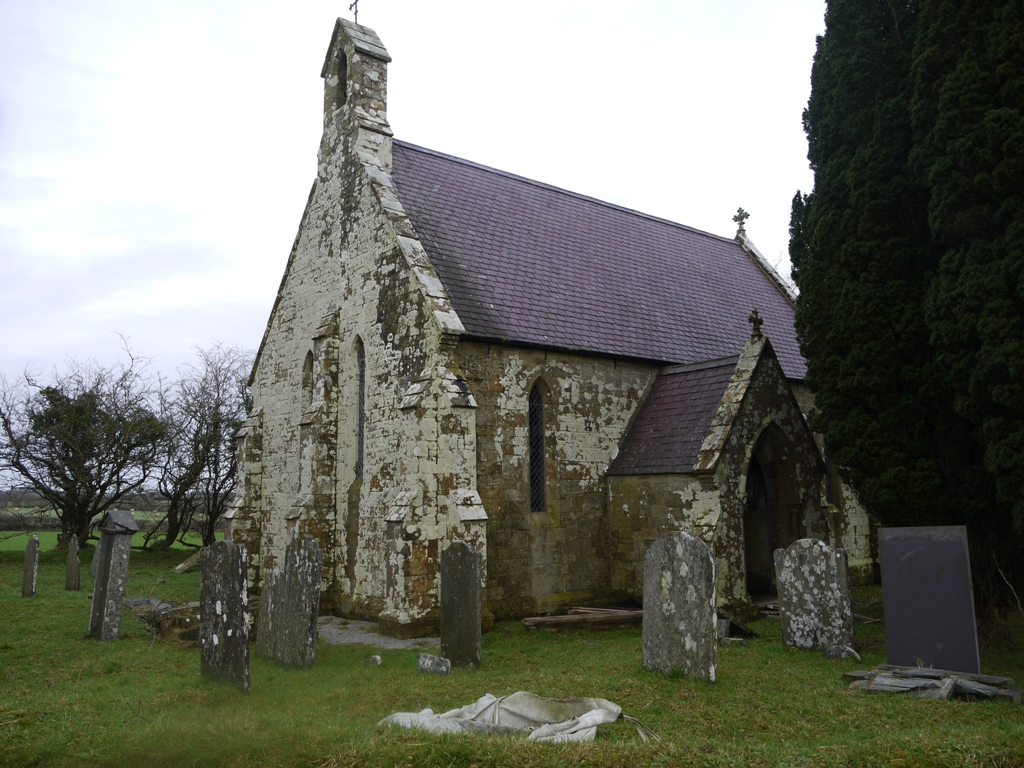
The church of St Michael’s, Tremain

Little wonder then that the diocese eventually concluded that St Michael’s Tremain was superfluous to requirements.

This though is not to say it is without merit and it is tremendous news that thanks to the representations of local and national experts the church has been adopted by that estimable charity, The Friends of Friendless Churches, and the scaffolding has already gone up in anticipation of its restoration.

St Michael’s is a replacement church, built on an ancient site in 1846-8, and its architect was the famous Welsh bard John Jones ‘Talhaiarn’.  The architectural style is ‘ecclesiologically correct’  (which I believe means conforming to the architectural rules devised by The Cambridge Camden Society), the decor is extremely plain with plastered walls and ceiling  in an open rafter roof. There is a schoolroom vestry on one side of the nave fitted out with child-sized pews.  But the most remarkable feature of the church is its masonry.  Built of the local sandstone, Pwntan stone, the blocks have been each carefully shaped to create an intricate fit with their neighbours.  So close is the fit that mortar looks to have been almost superfluous, and rather than being a structure of coursed blocks, the whole external surface of the church resembles a complex jigsaw puzzle in which no two pieces are even similar.

Ths side of the porch, Tremain Church

St Michael’s Church, Tremain.
Stonework is meticulously formed to interlock.

A single stone in the wall

A single stone shaped to interlack with its neighbours

John Jones, a joiner’s son, was born in 1810 and at the age of 15 he was apprenticed to an architect named Ward, who was superintending the building of Pool Park, Ruthin for Lord Bagot.   By 1843 he worked for the ecclesiastical architects Scott and Moffatt of London, and in 1851 he left them to work for Sir Joseph Paxton as a superintendent of the building of the Crystal Palace, and of a mansion for Baron Meyer de Rothschild near Menton, France.  But there is no evidence that in any of these projects was the masonry fitted together in the obsessionally eccentric way it was built at Tremain.

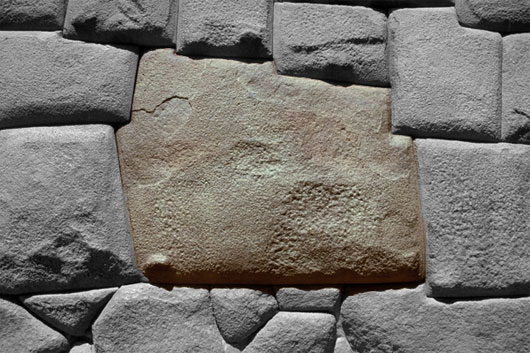
The identity of the Tremain mason is unknown, and if it were a personal whim of his it is not a building style he seems to have employed in other buildings locally.  Oddly, the best echo of this construction is in the work of 13th to 15th century Inca masons in Peru! Here too, blocks were individually fitted together, with neat edges and corners to complement the adjoining stones.  Often Inca building involved massive stones in defensive walls, on a far larger scale than in the church.

A similar masonry style was adopted by the Inca builders of Cuzco in Peru

John Jones’ other, and more celebrated, life was as a poet.  Under the name ‘Talhaiarn’ he published a number of volumes in Welsh between 1849 and 1869, when he died by his own hand.  According to Welsh Biography Online ‘his fame rests mainly on his songs and light verse, often satirical.’  There is presently no clue as to the inspiration for the unique stonework of this small Welsh Church.  It is an architectural curiosity of the first order.

http://www.friendsoffriendlesschurches.org.uk   The Friends own twenty architecturally and historically important churches in Wales, where their restoration is funded by Cadw and the Church in Wales.

The local expert on Tremain church is Brenda Howells: e mail:  brenda@owlscote.com